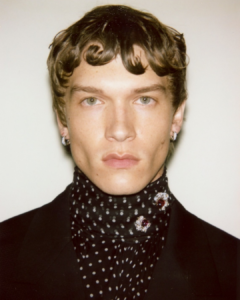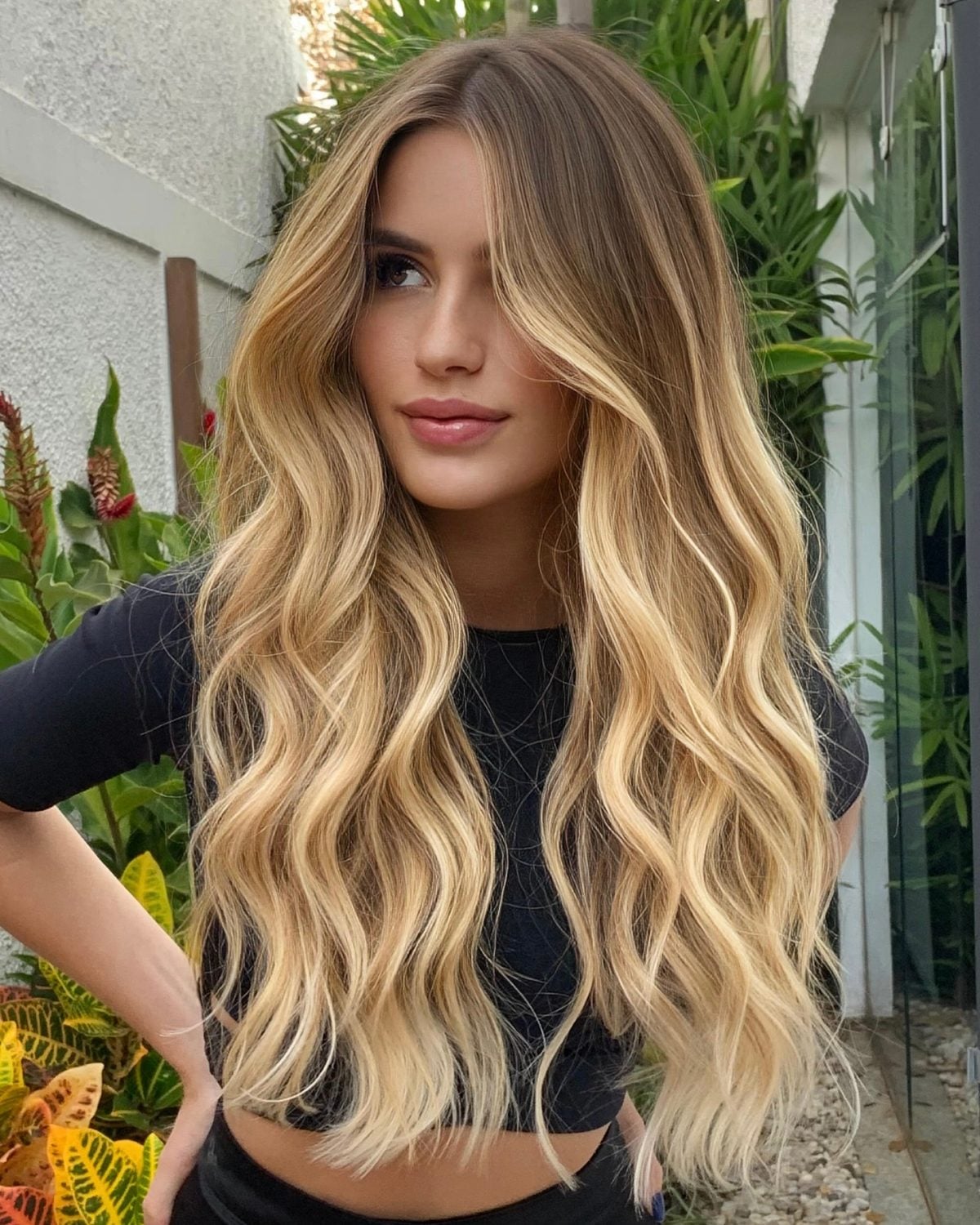
25+ Lob Haircuts Clients Will Ask For
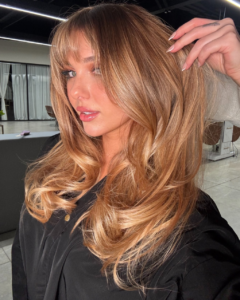
Lob haircuts—aka the long bob—are trending this season. From Blunt Lobs to Textured, Italian and Layered variations, this versatile length offers everything from sleek, polished finishes to soft, lived-in movement. It’s the perfect balance of structure and wearability clients continue to request. See 25+ inspo images from #ONESHOT Hair Awards entries and top stylists showcasing every variation of the modern lob.
Latest Stories
-
HaircutsHaircuts That Make Fine Hair Look Fuller Instantly
Fine hair isn’t the problem; usually, the wrong haircut is. When fine hair falls flat, it’s often because the shape removes the little structure the hair naturally has. The true key to success is choosing haircut shapes that build visual density and structural support from the perimeter up. Scroll down to find haircuts that will help make your client’s hair look fuller, along with pro tips to preserve haircut structure. Haircuts That Add Fullness Blunt bobs Graduated bobs Structured lobs Soft face-framing The Blunt Bob: The Gold Standard For Fine Hair If there’s one haircut that consistently makes fine hair look fuller, it’s the blunt bob. Salon owner and Alfaparf Milano Professional Ambassador Sean Michael (@seanmichaelhair) says strong perimeter lines instantly create the illusion of density. “Blunt perimeter shapes are a go-to always. Fine hair needs a visual weight line because the hair itself can’t create volume, so the haircut has to do the job.” The reason is simple: the eye reads density at the ends. “When the perimeter is solid, the hair instantly looks thicker—even before styling.” Formulas Photo Credit: Instagram via @seanmichaelhair What is Fine Hair? The Difference Between Density and Diameter Salon owner and 2024 #ONESHOT Winner Brent Basore (@brentdanielbasore) says shorter shapes can be especially helpful when the hair is both fine and low density. “If the hair is fine and thin, different-length bobs work well. You can add fullness by carefully layering the top and using slight graduation on the perimeter.” That subtle graduation helps build lift and internal support without sacrificing fullness. Press play to see how Brent instantly boosts his client’s confidence through this bob transformation. Formulas Formulas Photo Credit: Instagram via @brentdanielbasore LA-based haircutting specialist Yuki Nakataki (@yukistylist) agrees, explaining that clean shapes tend to work best. “Blunt cuts with minimal layers—like blunt bobs, soft blunt bobs and lobs—are great haircut shapes for fine hair.” Pro Tip: Yuki shares, “Shorter pieces around the face can add dimension,” and the key is keeping those pieces soft and supportive rather than heavily texturized. Overlayering around the front can quickly make the ends look wispy. His tool of choice? ARC™ Scissors PHANTOM II—here’s why: “It’s perfect for dry precision cutting and the unique blade design won’t push or pull the hair while cutting.” Formulas Formulas Photo Credit: Instagram via @yukistylist Photo Credit: Instagram via @yukistylist Photo Credit: Instagram via @yukistylist Photo Credit: Instagram via @yukistylist Photo Credit: Instagram via @yukistylist Photo Credit: Instagram via @yukistylist Photo Credit: Instagram via @yukistylist Photo Credit: Instagram via @yukistylist Photo Credit: Instagram via @yukistylist Photo Credit: Instagram via @yukistylist Photo Credit: Instagram via @yukistylist Structured Lobs with Movement Longer cuts can still work beautifully on fine hair as long as the perimeter stays strong. Sean says the key is resisting the urge to over-layer. “Instead of stacking short layers, I build internal volume so the shape lifts itself. The goal isn’t movement first; it’s structure first. Movement is a byproduct of the structure, so I don’t remove weight; I relocate it.” The result is a shape that still feels modern while keeping the structure fine hair needs. Formulas Photo Credit: Instagram via @seanmichaelhair Haircut Shapes That Can Make Fine Hair Look Thinner Just as certain shapes build density, others remove the structure fine hair depends on. Sean says overly airy shapes are often the biggest culprit. “Anything over-layered, shattered or airy removes perimeter weight. When that happens, fine hair separates into strings.” This includes haircuts like: Heavy shag cuts Aggressive layering Overly texturized curtain bangs Sean explains why these shapes often fail on fine hair. “Those cuts look incredible on dense hair because density replaces what you remove. Fine hair has nothing to replace it, so it just disappears.” Brent adds that long, one-length hair can sometimes have a similar effect. “Very long, one-length hair can pull the hair flat and show the lack of density at the scalp.” Consultation Questions To Ask for Fine Hair Clients Where do you want the most fullness: perimeter, crown or both? Do you want to prioritize fullness, movement or length? How much daily styling are you willing to do? What bothers you most: flat roots, stringy ends or lack of shape? Do you wear your hair mostly air-dried or styled?
-
ManagementWhen Salon Owners Don't Manage the Salon Diva
Every salon talks about its core values, but the real culture of a salon is not built by what leadership consistently talks about, but rather what it allows. Most salon culture problems actually begin with the small things salon leadership keeps overlooking—like a stylist constantly showing up late, gossip behind the chair, negative attitudes during meetings, disrespect toward assistants or front desk staff, or someone quietly undermining salon systems and creating tension within the team. At first, these moments seem minor and easy to excuse or rationalize. But every unaddressed behavior sends a message to the rest of the team about what leadership is willing to tolerate, and eventually the culture begins shifting because of it. Stop Rationalizing the Behavior Before addressing the issue, get honest about what’s happening. Ask yourself: Am I excusing this behavior because this person is talented or makes money? Have I allowed things from this person I wouldn’t allow from others? Is the rest of my team being negatively affected? Am I avoiding this conversation because I fear conflict or losing them? Has this behavior become part of the salon culture? If the answer is yes to most of these, the issue is no longer just the employee. It’s become a leadership issue. Red Flags of Diva Behavior Watch for patterns like: Constant negativity or complaining Gossip or creating “sides” Disrespect toward assistants or front desk staff Eye-rolling, dismissiveness or attitude Undermining salon systems or policies Acting above the rules Emotional manipulation after being confronted Making the salon feel emotionally heavy or tense Other employees quietly withdrawing or becoming resentful One bad day is human. A repeated pattern is culture. Everyone in the Salon Notices When She Gets Away With It One of the hardest lessons salon owners learn is this: when someone repeatedly crosses the line without accountability, the damage never stays with just that one person. The entire team notices who gets away with negativity, disrespect or drama, and they notice when certain people are held to different standards. Over time, what leadership allows quietly becomes the culture of the salon itself. The issue is rarely just the difficult employee—the real damage happens when the rest of the team stops believing leadership will protect the environment they work in. 48 MIN 22 Years of Business Lessons @marybehindthechair: 22 Years of Tough Business Lessons @MARYBEHINDTHECHAIR 5.0 (145) Watch Now → Avoiding the Confrontation Won’t Make it Go Away Most salon owners are heart-led people who genuinely care about their team and want people to succeed. They see potential in people and want to believe someone will improve with enough grace, patience or understanding. And sometimes they do. But sometimes repeated grace without accountability teaches people that the boundary is movable. Owners often avoid confrontation because the stylist is talented, brings in revenue or has been with them for years. Meanwhile, the rest of the team quietly watches the inconsistency. The stylists showing up professionally every day notice it. The assistants notice it. The front desk notices it. And eventually, resentment starts building. Weak Boundaries Create Unstable Salons One of the biggest misconceptions in leadership is believing boundaries create tension. In reality, the absence of boundaries creates instability. Healthy teams want clear expectations and want to know leadership will address gossip, disrespect and toxic behavior before it spreads throughout the salon. When unhealthy behavior is continually tolerated, the emotional burden shifts onto the healthy people carrying the culture forward, and eventually those people burn out. Many great stylists don’t leave salons over money—they leave because they no longer feel protected or respected in the environment when they are following the rules, but others are not. Accountability Is Not Being Mean Many salon owners hesitate to enforce boundaries because they fear appearing harsh or unsupportive. But accountability is not cruelty. Protecting the environment your team works in is one of the most important responsibilities of leadership. Allowing negativity, entitlement or division to continue unchecked does not make a salon compassionate—it weakens the foundation of the business. Leadership is not only about inspiring people; it’s about protecting the culture you’ve worked hard to build and taking care of those who respect and live up to the standards you expect. Culture Is Built By What You Allow Every salon talks about its values, but the real culture of a salon is not built by what leadership consistently talks about, but rather what it allows. If gossip is tolerated, gossip spreads. If disrespect is ignored, disrespect becomes normal. If toxic behavior is excused because someone is talented, trust begins eroding. Your team will always pay more attention to what you allow than what you say. Strong salon cultures require strong boundaries, clear standards and leaders willing to protect both the business and the people inside it. How to Have the Hard Conversation: WHAT TO DO BEFORE THE CONVERSATION 1. Calm Your Emotions Do not address the issue while angry, reactive or emotional. 2. Be Specific Focus on behaviors, not personality. Instead of: “You’re toxic.” Say: “I’ve noticed repeated behaviors that are negatively affecting the team environment.” 3. Decide the Boundary Before the Meeting Know exactly what must change and what happens if it doesn’t. THE CONVERSATION SCRIPT Start Calm + Direct: “I wanted to sit down because there are some behaviors that are beginning to affect the culture and energy of the salon, and I need to address them directly.” Give Clear Examples:“Over the past few months, I’ve noticed repeated negativity during meetings, tension with team members and resistance to salon systems. I’ve also noticed moments where assistants/front desk/team members have felt disrespected or uncomfortable.” Explain the Bigger Impact: “This is bigger than one moment or one disagreement. In a salon environment, negative energy spreads quickly. When negativity, gossip or tension goes unaddressed, the entire team feels it.” Re-Establish the Standard: “I care about you and value your talent, but no one can be above the culture of the salon. The standards apply to everyone equally.” Clearly State Expectations: “Moving forward, I need to see professionalism, respect toward the team and alignment with the salon culture. That means no gossip, no undermining and no creating tension within the team.” Set the Consequence: “If these patterns continue, we’ll need to reevaluate whether this is the right environment moving forward.” End With Leadership, Not Emotion: “This conversation isn’t about punishment. It’s about protecting the culture, the team and the environment we’re building together.” WHAT NOT TO DO Don’t: Over-explain yourself Apologize for having standards Turn it into a long emotional debate Bring up every issue from the past Backtrack the moment they become defensive Let tears, anger or manipulation erase the boundary Stay calm. Stay clear. Stay consistent. AFTER THE CONVERSATION Watch Actions, Not Promises Many difficult employees respond well in the moment but slowly return to old behaviors once the pressure passes. Pay attention to: Consistency Energy shifts Team morale Respect toward others Accountability without excuses Real change is shown through patterns, not emotional conversations. REMEMBER THIS The strongest salon cultures are not built by avoiding hard conversations.They are built by leaders willing to protect the environment their healthy team members deserve to work in.When one person is allowed to repeatedly drain the energy of the salon, everyone else silently pays the price. And the longer leadership waits to address it, the harder it becomes to rebuild trust with the people who were quietly watching all along.
-
BTC Hair Trend ReportGlitter Tattoos & Body Shimmer Are Back—And Hair is Following Suit
The Anti-Clean Girl Trend Is Here: Glitter Tattoos, Body Shimmer & It-Girl Hair Accessories Crystal butterflies. Glitter tattoos. Rhinestone body art. The beauty industry’s latest obsession isn’t subtle—and that’s exactly the point. Leading the charge are celebrity makeup artists Sophia Sinot (@sophiasinot) and Ngozi Edemer (@paintedbyesther), whose viral work for global popstars Zara Larsson and Tyla is helping define beauty’s latest obsession: more is more. For Zara’s “Midnight Sun” era, Sophia transformed the singer into a walking mood board of crystal butterfly tattoos, body shimmer, glittering gems and playful body art. Meanwhile, Ngozi brought the same spirit of self-expression to Tyla’s Coachella look, layering glitter tattoos, crystal embellishments, body studs and shimmering skin into beauty moments that dominated social feeds. Together, this signals to a larger shift happening across beauty. After years of slick buns, quiet luxury and barely-there makeup, consumers are gravitating toward looks that feel expressive, colorful and unapologetically fun. And as glitter tattoos and body shimmer continue to trend, hair is following suit. Tyla | Photo Credit Instagram via @paintedbyesther / Hair by @eduardoponcehair Zara Larsson | Photo Credit Instagram via @sophiasinot Edrys Duran | Photo Credit Instagram via @paintedbyesther Zara Larsson | Photo Credit Instagram via @sophiasinot Maelyn Roland | Photo Credit Instagram via @paintedbyesther Tyla | Photo Credit Instagram via @paintedbyesther Tyla | Photo Credit Instagram via @paintedbyesther Tyla | Photo Credit Instagram via @paintedbyesther / Hair by @eduardoponcehair Zara Larsson | Photo Credit Instagram via @sophiasinot Edrys Duran | Photo Credit Instagram via @paintedbyesther Zara Larsson | Photo Credit Instagram via @sophiasinot Maelyn Roland | Photo Credit Instagram via @paintedbyesther Tyla | Photo Credit Instagram via @paintedbyesther Tyla | Photo Credit Instagram via @paintedbyesther What The Trend Means For Hairstylists If the clean girl era was about restraint, this new beauty movement is about adornment. The same desire driving consumers to decorate their skin is showing up in hair through crystal-studded braids, embellished updos, hair gems, tinsel, feathers and pops of fantasy color. Whether it’s a few strategically placed rhinestones or an entire braid woven with charms and crystals, clients are looking for details that make their look feel unique. Festival season is only accelerating the trend. Hair accessories are becoming part of the style itself, with gems, cuffs, feathers and colorful accents transforming everyday looks into statement-making moments. Photo Credit: Instagram via @hairwithlinda Photo Credit: Instagram via @walker_ash Zara Larsson | Photo Credit Instagram via @johnnovotny Photo Credit: Instagram via @hairwithlinda Zara Larsson | Photo Credit Instagram via @johnnovotny Photo Credit: Instagram via @hairwithlinda Photo Credit: Instagram via @walker_ash Zara Larsson | Photo Credit Instagram via @johnnovotny Photo Credit: Instagram via @hairwithlinda Zara Larsson | Photo Credit Instagram via @johnnovotny Hair Tinsel Is Back: Your Guide To Sparkling Extensions How Beauty Pros Can Turn The Trend Into Services For hairdressers, this trend isn’t about reinventing your service menu—it’s about elevating it. As clients seek more personalized beauty experiences, small add-on services can create major impact. A few crystals woven into a braid, strands of tinsel for added sparkle or a temporary pop of color can turn a standard style into something worthy of a screenshot. More importantly, these finishing touches give clients another way to express their personality. And that’s exactly what today’s beauty consumer is looking for. The takeaway? Glitter tattoos may be making headlines, but the real trend is self-expression. From body shimmer and crystal embellishments to hair gems and playful accessories, beauty is getting fun again—and clients are ready to wear it from head to toe. Don’t miss the latest in Beauty & Pop Culture: “Euphoria’s” Dark Glam Is Influencing Beauty Everywhere Inside Charli XCX’s Hair Transformation for “The Moment”
-
Celebrity StylistsHow "Heated Rivalry" and "Off Campus" Turned Hockey Hair Into 2026's Biggest Men's Trend
Bro flow—often referred to as hockey hair—is having a moment. Thanks to the popularity of hockey-inspired shows like “Heated Rivalry” and “Off Campus,” longer men’s hair with movement, texture and a lived-in finish is finding a new audience beyond the rink. “I think people are responding to how effortless and authentic these styles feel,” says celebrity men’s groomer Aika Flores (@by.aikaflores). “After years of very polished, tightly controlled grooming, there’s a shift toward hair that has personality, movement and individuality.” Save these inspo photos of Aika’s clientele, playing TV’s most-talked-about star athlete: Hudson Williams | Photo Credit: Instagram via @by.aikaflores Belmont Cameli | Photo Credit: Instagram via @by.aikaflores Hudson Williams | Photo Credit: Instagram via @by.aikaflores Belmont Cameli and the "Off Campus" Cast | Photo Credit: Instagram via @by.aikaflores Hudson and Aika | Photo Credit: Instagram via @by.aikaflores Belmont Cameli | Photo Credit: Instagram via @by.aikaflores Hudson Williams | Photo Credit: Instagram via @by.aikaflores Belmont Cameli | Photo Credit: Instagram via @by.aikaflores Hudson Williams | Photo Credit: Instagram via @by.aikaflores Belmont Cameli and the "Off Campus" Cast | Photo Credit: Instagram via @by.aikaflores Hudson and Aika | Photo Credit: Instagram via @by.aikaflores Belmont Cameli | Photo Credit: Instagram via @by.aikaflores As the groomer behind the hockey hair looks seen on Hudson Williams in “Heated Rivalry” and Belmont Cameli in “Off Campus,” Aika shares the haircut fundamentals, styling techniques and product choices behind the trend and why today’s hockey hair is all about movement, texture and individuality. The ’90s Influence Behind Today’s Hockey Hair While hockey hair may be trending in 2026, Aika sees today’s version as both nostalgic and modern. “I think the inspiration definitely pulls from the ‘90s. The movement, the longer layers [and] the middle or sometimes 60/40 part with the execution feeling a little bit more modern,” she explains. Hudson Williams | Photo Credit: Instagram via @by.aikaflores Hudson Williams | Photo Credit: Instagram via @by.aikaflores Hudson Williams | Photo Credit: Instagram via @by.aikaflores Hudson Williams | Photo Credit: Instagram via @by.aikaflores For Aika, the biggest difference comes down to the finish. “Today’s version is less polished and less precious,” she says. “It’s about the hair that feels effortless, touchable and authentic while, of course, still being camera-ready.” That balance between familiar shapes and modern styling is part of what’s helping hockey hair connect with a new generation of clients. “I’m always drawn to styles that feel timeless rather than trend-driven,” Aika shares. Want To See What’s Next in Men’s Hair? These Trends Are Taking Over 2026 Aika’s Step-by-Step Styling Method Here’s how Aika builds movement and texture: Create the foundation Aika typically starts with a texture spray or lightweight cream on damp hair before moving into the drying process. “I always start with products in damp hair rather than trying to fight with dry hair that lacks foundation. A strong foundation makes the styling process much easier; work smarter, not harder.” Encourage movement and direction “From there, I apply lightweight products and focus on creating direction as the hair dries,” Aika explains. “I focus on building volume at the roots by using small clips to direct the hair while keeping the midlengths and ends soft and mobile.” Build the flow “I love using a diffuser, not just on curly or wavy hair, but even on straighter hair to encourage movement, texture and that effortless ‘flow’ everyone is gravitating toward right now.” Aika says a diffuser remains one of her essential tools because it helps create a lived-in finish while preserving the hair’s natural character. Hudson and Aika | Photo Credit: Instagram via @by.aikaflores Hudson and Aika | Photo Credit: Instagram via @by.aikaflores Hudson and Aika | Photo Credit: Instagram via @by.aikaflores Hudson and Aika | Photo Credit: Instagram via @by.aikaflores Refine, don’t overload Once the hair is dry, Aika focuses on definition rather than heavy hold. “I’ll finish with a small amount of styling paste or cream worked through the midlengths and ends for definition and separation,” she explains. “Sometimes I use a powder wax if I want to have a little more lift on the roots and sometimes keeping the roots soft is also the move so the hair never feels overstyled.” Prioritize balanced movement “Using buildable products and directing the hair as it dries helps control expansion through the sides without flattening the overall shape,” says Aika. Rather than forcing the hair into place, she works with its natural movement. “I allow the hair to find its natural shape while guiding it where I want it to sit. The goal is always hair that feels soft and natural while still looking intentional and camera-ready.” Hudson and Aika | Photo Credit: Instagram via @by.aikaflores Hudson and Aika | Photo Credit: Instagram via @by.aikaflores Hudson and Aika | Photo Credit: Instagram via @by.aikaflores Hudson and Aika | Photo Credit: Instagram via @by.aikaflores Hudson and Aika | Photo Credit: Instagram via @by.aikaflores Hudson and Aika | Photo Credit: Instagram via @by.aikaflores The Best Hockey Hair Inspiration for Your Next Client: See 40+ Images Aika’s Biggest Hockey Hair Tip: Start With the Haircut “As a haircutter, I will always encourage [my clients] and say a good haircut will always make the job easier,” she explains. “The right layering and texturizing remove unnecessary bulk while preserving shape, so the hair naturally falls where you want it to. If the haircut is doing its job, you don’t have to work so hard to get to where you want it to be.” Hudson Williams | Photo Credit: Instagram via @by.aikaflores Hudson Williams | Photo Credit: Instagram via @by.aikaflores Hudson Williams | Photo Credit: Instagram via @by.aikaflores Hudson Williams | Photo Credit: Instagram via @by.aikaflores Hudson Williams | Photo Credit: Instagram via @by.aikaflores Hudson Williams | Photo Credit: Instagram via @by.aikaflores Hudson Williams | Photo Credit: Instagram via @by.aikaflores Hudson Williams | Photo Credit: Instagram via @by.aikaflores According to Aika, creating modern hockey hair comes down to: Letting the haircut do the heavy lifting: “The foundation needs to have the right shape and layers to encourage the natural movement.” Knowing when to do less: “Creating that balance comes down to a good haircut, product choice and restraint.” “I always try to encourage my clients to let me cut their hair if I can tell the style is not going to hold correctly or have longevity,” she says. How To Build Movement Into Hockey Hair: A Step-by-Step Cutting Guide Why Effortless Men’s Hair Is Winning Right Now “These cuts feel relaxed and approachable, but they still have intention behind them,” Aika says. That balance is part of what makes the trend resonate with both stylists and clients. “For stylists, it’s exciting because the look celebrates texture and natural movement rather than fighting against it,” Aika explains. “For clients, it feels less about perfection and more about confidence.” Belmont Cameli | Photo Credit: Instagram via @by.aikaflores Hudson Williams | Photo Credit: Instagram via @by.aikaflores Belmont Cameli | Photo Credit: Instagram via @by.aikaflores Hudson Williams | Photo Credit: Instagram via @by.aikaflores Belmont Cameli | Photo Credit: Instagram via @by.aikaflores Hudson Williams | Photo Credit: Instagram via @by.aikaflores Belmont Cameli | Photo Credit: Instagram via @by.aikaflores Hudson Williams | Photo Credit: Instagram via @by.aikaflores Want More Men’s Styling Tips From Aika? See These Breakdowns: “Heated Rivalry’s” Hudson Williams Enters His Textured Mullet Era Hudson Williams’ Lived-In Sculpted Texture at the 2026 Met Gala
-
Men's HaircutsWarrior Cut: Why Brad Pitt's "Fight Club" Haircut is Back
A Barber’s Guide to the Warrior Cut: Shape, Weight Distribution and Texture-Building Techniques The warrior cut—a textured men’s haircut inspired by Brad Pitt’s iconic look in “Fight Club”—is gaining momentum in barbershops. Defined by movement, separation and a longer silhouette, the cut is part of a broader shift toward texture-driven men’s styles that prioritize personality and versatility. View this post on Instagram A post shared by Oscarblends (@oscarblends) Trevor Moots (@tailorfade), Wahl® Professional Artist, #ONESHOT winner and expert barber, says it’s one of his most requested cuts right now. “Men are starting to gain confidence in longer hairstyles,” he shares. Below, Trevor breaks down what defines the warrior cut, where weight should live and how to create the texture and movement clients are asking for. This guide is part of The BTC Hair Trend Report, backed by our editors’ expert reporting, in-depth features, stylist interviews and trend data hairdressers can trust. What Is the Warrior Cut? “The warrior cut is a fan favorite right now—this haircut is best described as a mullet with no fade and lots of texture,” Trevor explains. “Otherwise known as the Brad Pitt from ‘Fight Club’ haircut.” The warrior cut is a textured, longer men’s haircut built on a mullet-inspired silhouette, retaining perimeter length and heavy internal texture. Rather than relying on a fade to create shape, it uses layering and texture to generate movement and separation throughout the haircut. The defining characteristics include: Longer perimeter length through the nape and around the edges Heavy internal texture for movement and separation Short-to-long variation throughout the interior for a piecey finish Weight concentrated in the silhouette rather than removed through a fade A softer, more natural grow-out than heavily faded styles Austin Butler | Photo Credit: Instagram via @nellichristine Austin Butler | Photo Credit: Instagram via @jamie_grooming Nicholas Hoult | Photo Credit: Instagram via @jamie_grooming Nicholas Hoult | Photo Credit: Instagram via @jamie_grooming Mark Ronson | Photo Credit: Instagram via @jamie_grooming Photo Credit: Instagram via @cal_newsome Photo Credit: Instagram via @sunnycuttinghair Photo Credit: Instagram via @dencioaguilar Photo Credit: Instagram via @styles.by.yoshi Austin Butler | Photo Credit: Instagram via @nellichristine Austin Butler | Photo Credit: Instagram via @jamie_grooming Nicholas Hoult | Photo Credit: Instagram via @jamie_grooming Nicholas Hoult | Photo Credit: Instagram via @jamie_grooming Mark Ronson | Photo Credit: Instagram via @jamie_grooming Photo Credit: Instagram via @cal_newsome Photo Credit: Instagram via @sunnycuttinghair Photo Credit: Instagram via @dencioaguilar Photo Credit: Instagram via @styles.by.yoshi Looking for More Trends? Here’s What Men Are Actually Asking Their Barbers and Hairdressers For in 2026 How To Cut the Warrior Cut The warrior cut’s signature shape comes from balancing retained length with strategic texture. Instead of removing weight through a fade, the focus is on preserving the perimeter while creating movement and separation throughout the interior of the haircut. “When doing a warrior cut, you want to create a lot of internal texture, leaving the perimeters of the haircut long,” Trevor says. “This allows you to get the proper shape (mullet shape), and the internal texture gives it a ton of movement and disruption without sacrificing the length.” Key Cutting Considerations Preserve length through the perimeter, especially around the nape and edges Create internal texture to encourage movement and separation Remove bulk from within the haircut rather than the outer silhouette Focus on controlled disruption without sacrificing length As the warrior cut continues to evolve, barbers are putting their own spin on the trend. Below, Trevor demonstrates his version, using ARC™ Scissors Paragon II and a razor to create texture and movement while incorporating a higher fade. Press play to see his technique: View this post on Instagram A post shared by Trevor Moots ✪ (@tailorfade) The biggest mistake when creating texture and removing weight in a warrior cut? Trying to make it too perfect. Ethan Quintela (@ethanquintela), stylist and educator, says, “Styles like the warrior cut thrive on a silhouette that feels chaotic and lived in. I think there is real beauty in that messiness.” While internal texture creates movement, Ethan says over-texturizing can compromise the haircut’s foundation. “Shape is the foundation of haircutting, and many barbers either lack the technical precision to create the desired shape or they over-texturize, which ultimately destroys the foundation they just built,” he says. See Ethan’s cutting diagram below for a visual breakdown of his approach: Photo Credit: Instagram via @ethanquintela Andrew Zumbo (@themenscutter), American Crew® NYC Style Ambassador and men’s stylist, creates texture after cutting with American Crew Matte Clay. Press play to see his process: View this post on Instagram A post shared by AMERICAN CREW (@americancrew) Warrior Cut vs. Modern Mullet While the warrior cut and modern mullet can appear similar, the two shapes are defined by different approaches to weight distribution, tapering and perimeter length. According to Trevor, the distinction often comes down to how the perimeter is finished. “The modern mullet is essentially going to be a warrior cut with a taper,” Trevor explains. “Now this isn’t secluded to one look. The taper can burst around the ear or simply live in the sideburn area.” In contrast, the warrior cut relies on texture and retained perimeter length rather than tapering to create its shape. Stylists Are Also Reading… The Modern Mullet is Defining 2026: Here’s How to Cut It Right Micro Men’s Mullets: 40+ Inspo Images for Your Next Client The 4 Best Men’s Haircuts For Fine and Thinning Hair in 2026 Bro Flow: Why Hockey Hair is Making a Comeback
WHAT'S TRENDING
TRENDING LOOKS
The looks stylists are recreating right now
Honeyed Dimension
Soft, sun-kissed blonde with warm caramel depth and movement.
Espresso Martini Brunette
Rich chocolate base with subtle caramel-blonde dimensional balayage.
Soft Pink Luminosity
Delicate pink tones with dimensional light-catching highlights throughout.
Copper Melt
Warm, dimensional copper tones with seamless blended dimension.
Warm Honey Melt
Golden balayage with seamless, sun-kissed dimensional blending.
Plum Balayage
Rich plum tones melted through sun-kissed, dimensional highlights.