The Biggest Mistakes That Make "Effortless" Waves Look Overdone
“Effortless” waves require more technical precision than they appear. Foundation, support, section size and iron selection all influence the finished shape and longevity of the style. Celebrity stylist and Donna Bella Hair Pro Ambassador Clayton Hawkins (@claytonhawkins)—whose clients include Olivia Rodrigo, Jenna Ortega, Dove Cameron and more—creates styles that need to hold through red carpets, premieres and hours in front of the camera. Below, he breaks down the techniques that keep modern S-waves soft, structured and long-lasting.
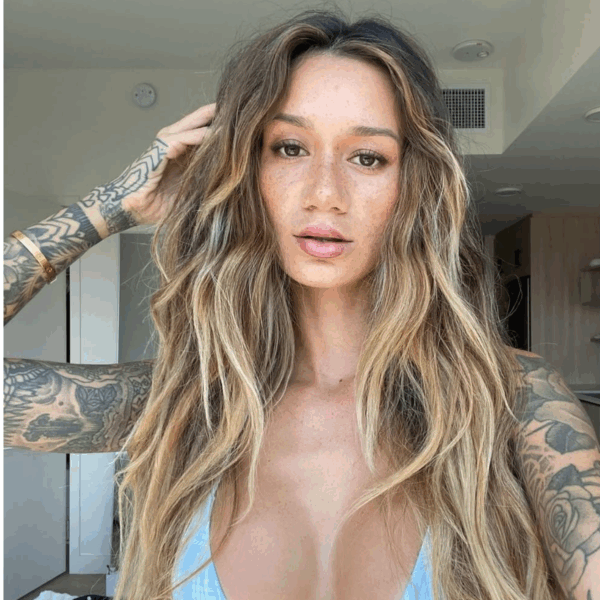
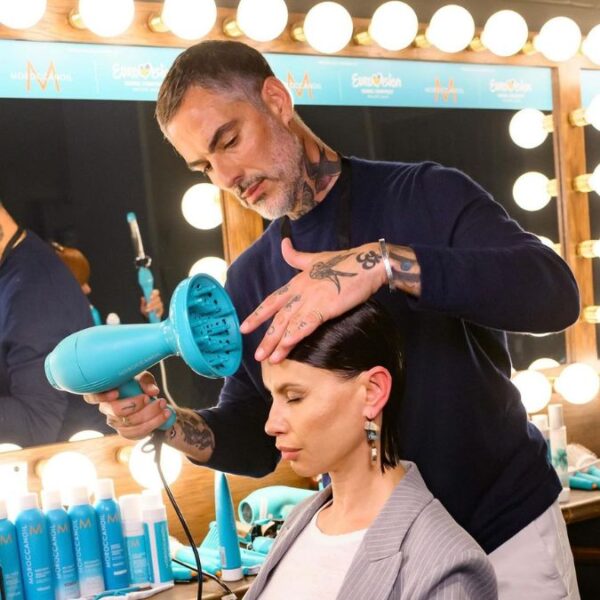
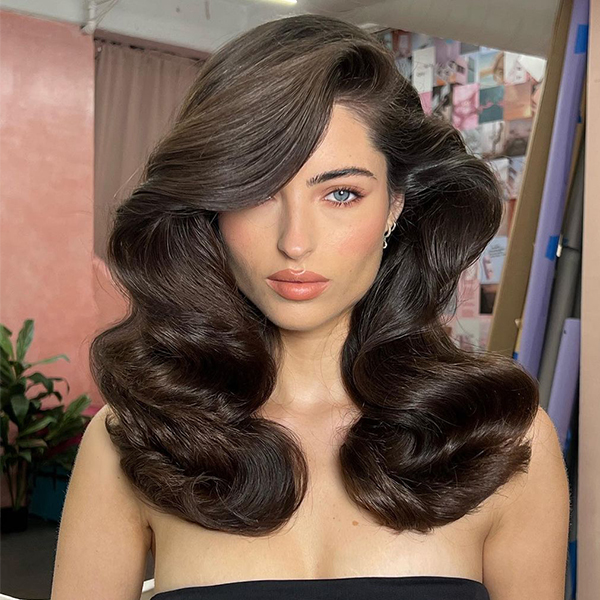
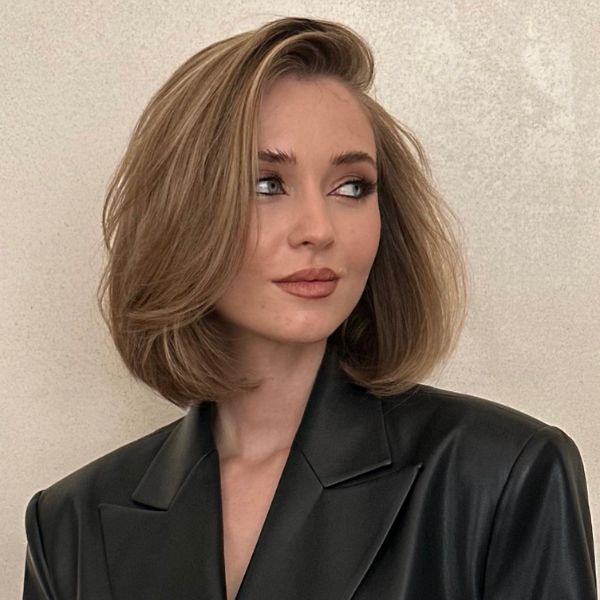
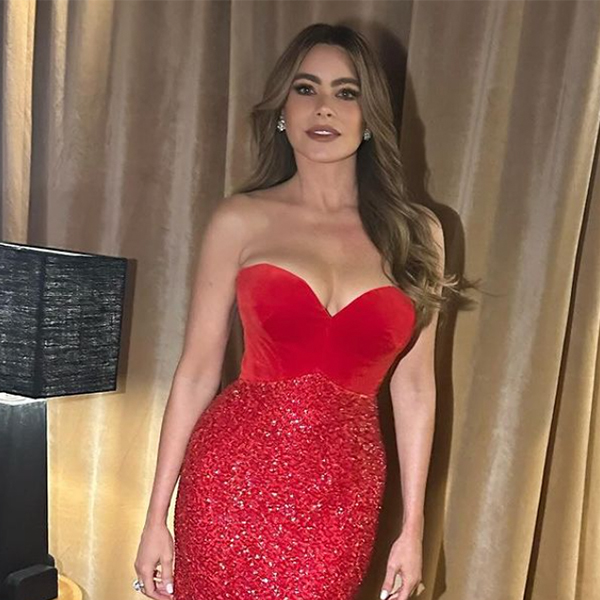
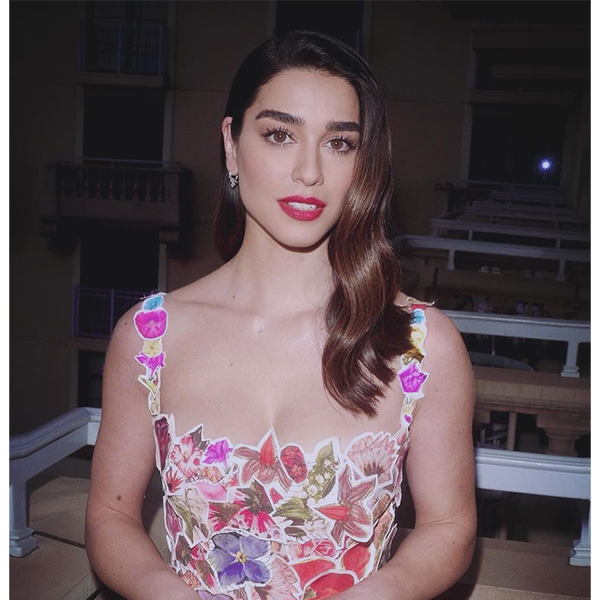
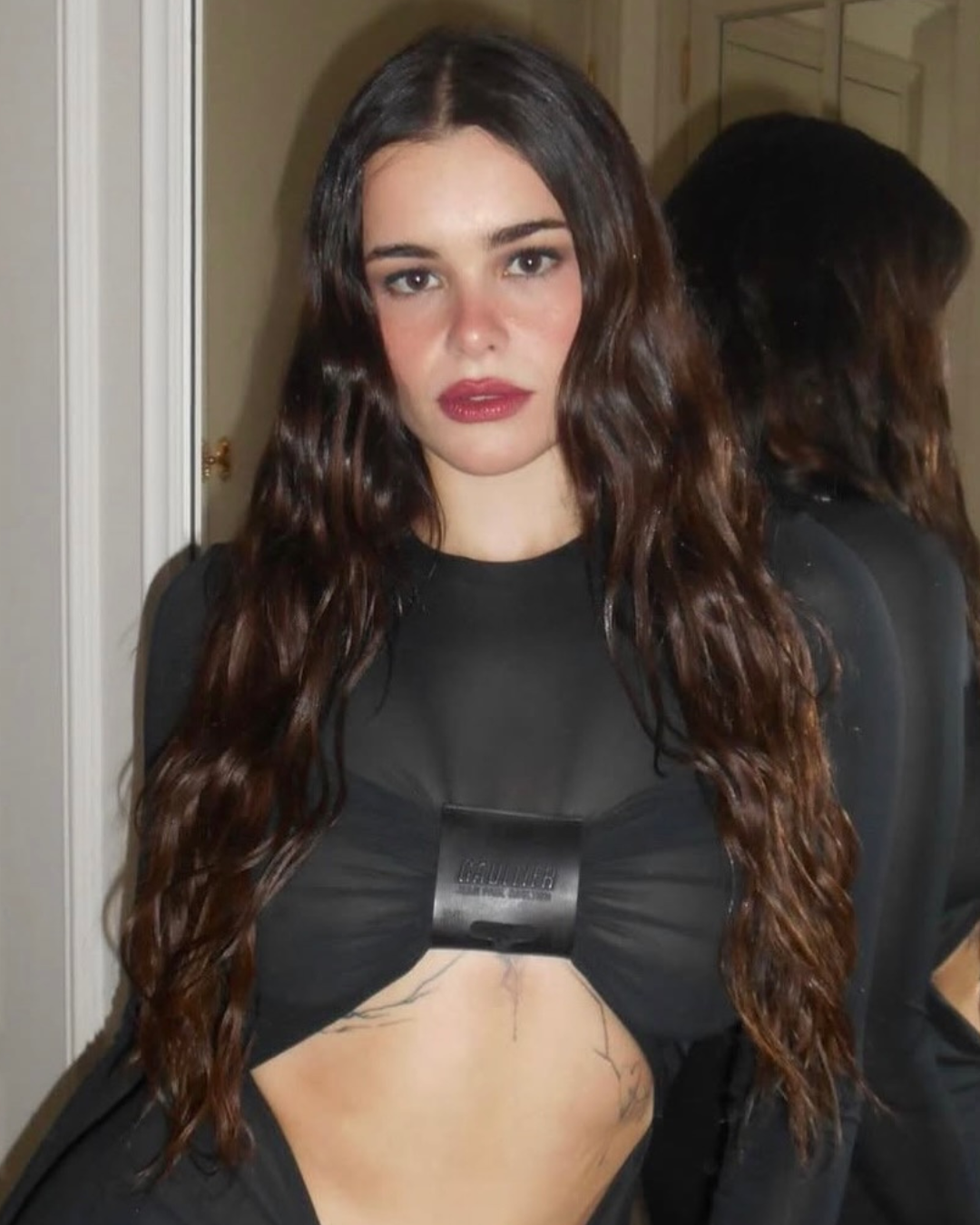
Tap through the images to see some of Clayton’s work:
1. Skipping the Foundation
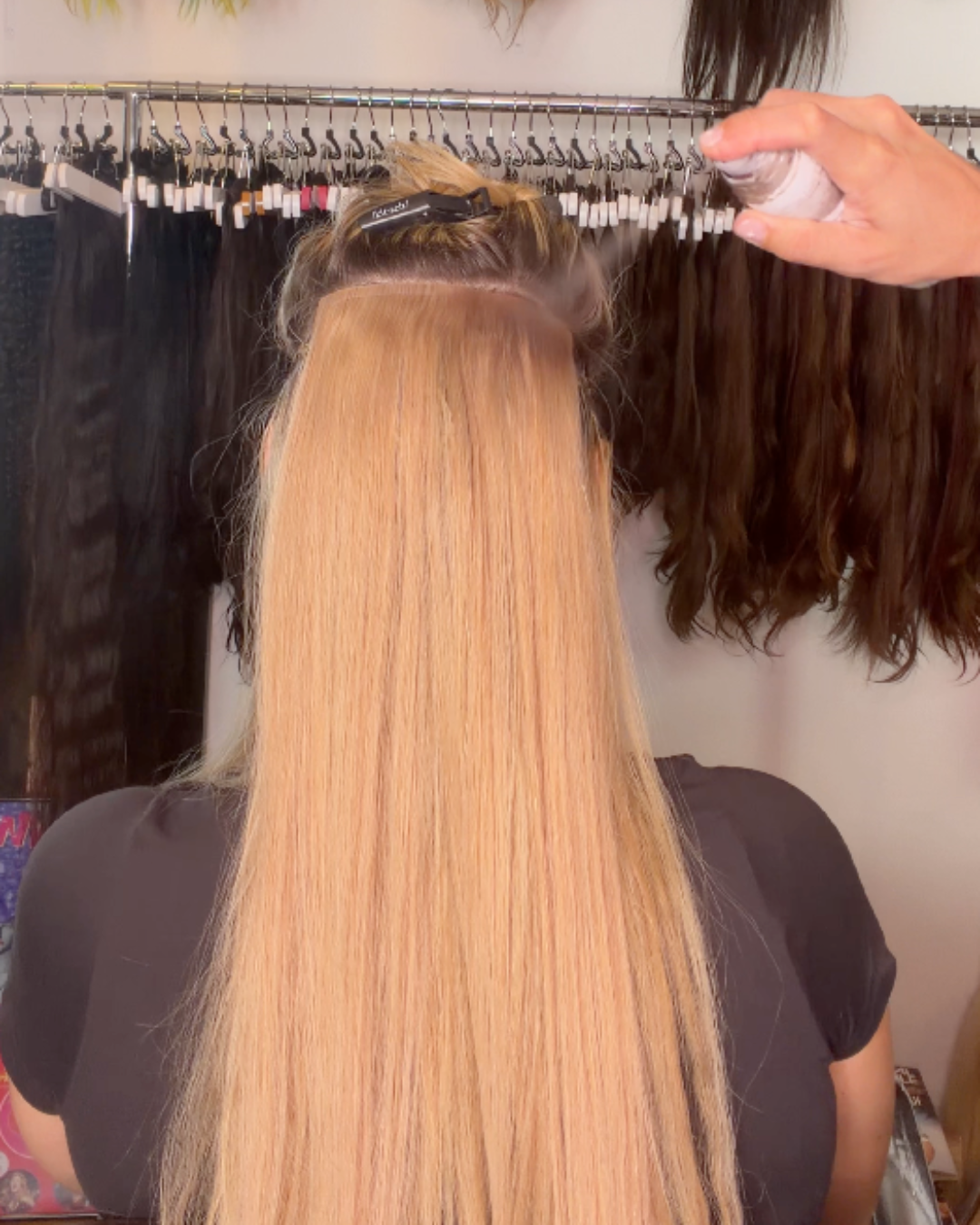
Clayton begins by building the internal structure of the style before styling. Even though his model was already wearing Donna Bella Kera-Link Extensions, he strategically added Donna Bella Clip-In and Tape-In Extensions. “We added this hair for fullness, for memory. You know, extensions hold a lot better than real hair, which is very important on carpets.”
To quickly blend the clip-ins, Clayton creates a shadow root with root touch-up spray instead of custom coloring the extensions, giving them a more seamless transition into the client’s natural color.
2. Choosing the Wrong Barrel Size
“The biggest mistake people make when they’re doing these cool girl waves is that they use too small of an iron, and the hair is too wavy. It’s too defined,” Clayton explains. “The 2026 version of this evergreen look is a little bit on the straighter side.”
Advertisement

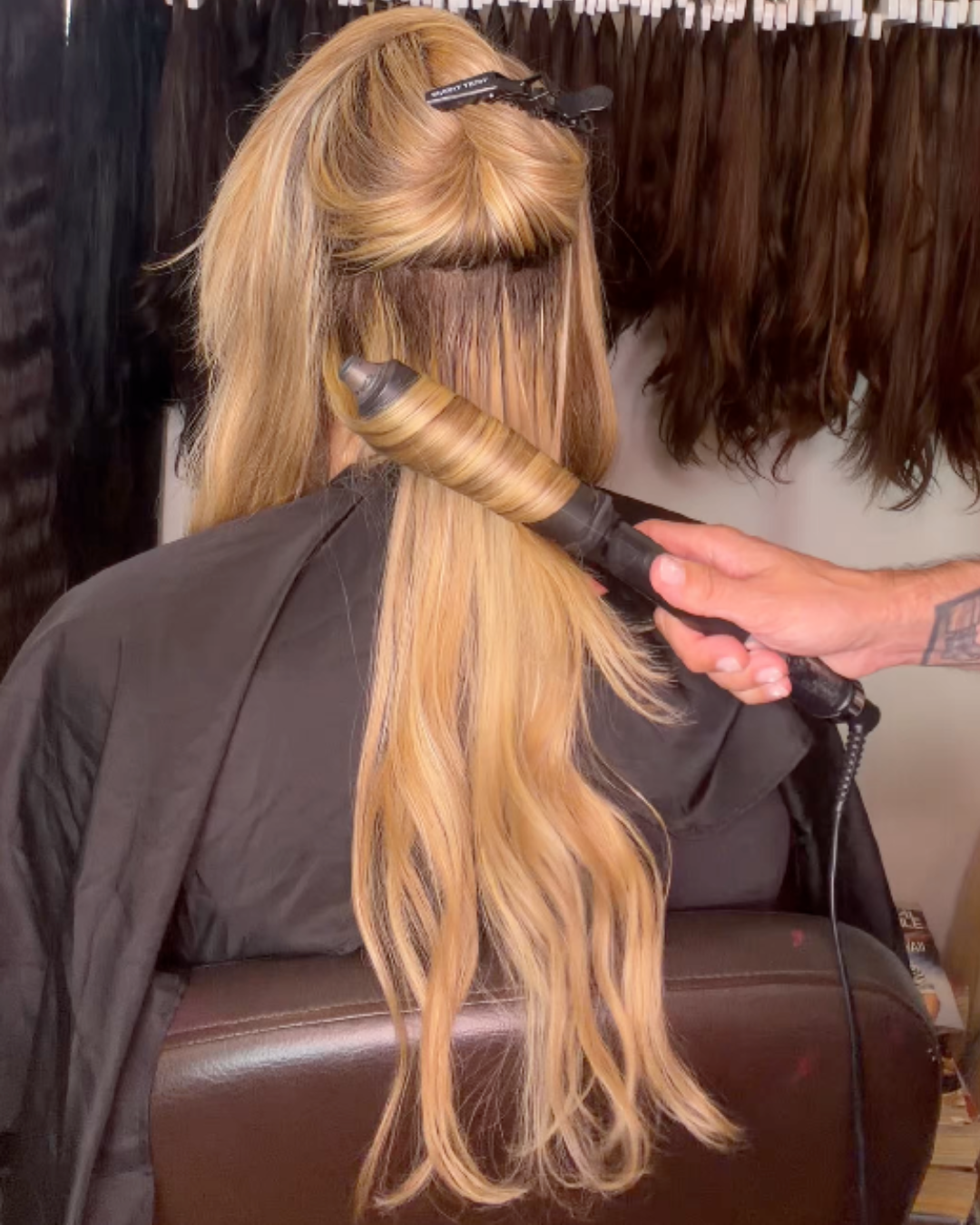
Rather than creating a tightly defined curl pattern, Clayton uses a 1¼-inch curling iron to produce broader bends and softer movement.
3. Over-Sectioning the Hair
Rather than working with fine subsections, Clayton takes larger sections throughout the head to create a more open wave pattern.
He also begins each section through the midlengths instead of curling from the root, feeding the ends through the iron to maintain a softer finish.
4. Using the Same Wave Pattern Throughout the Hair
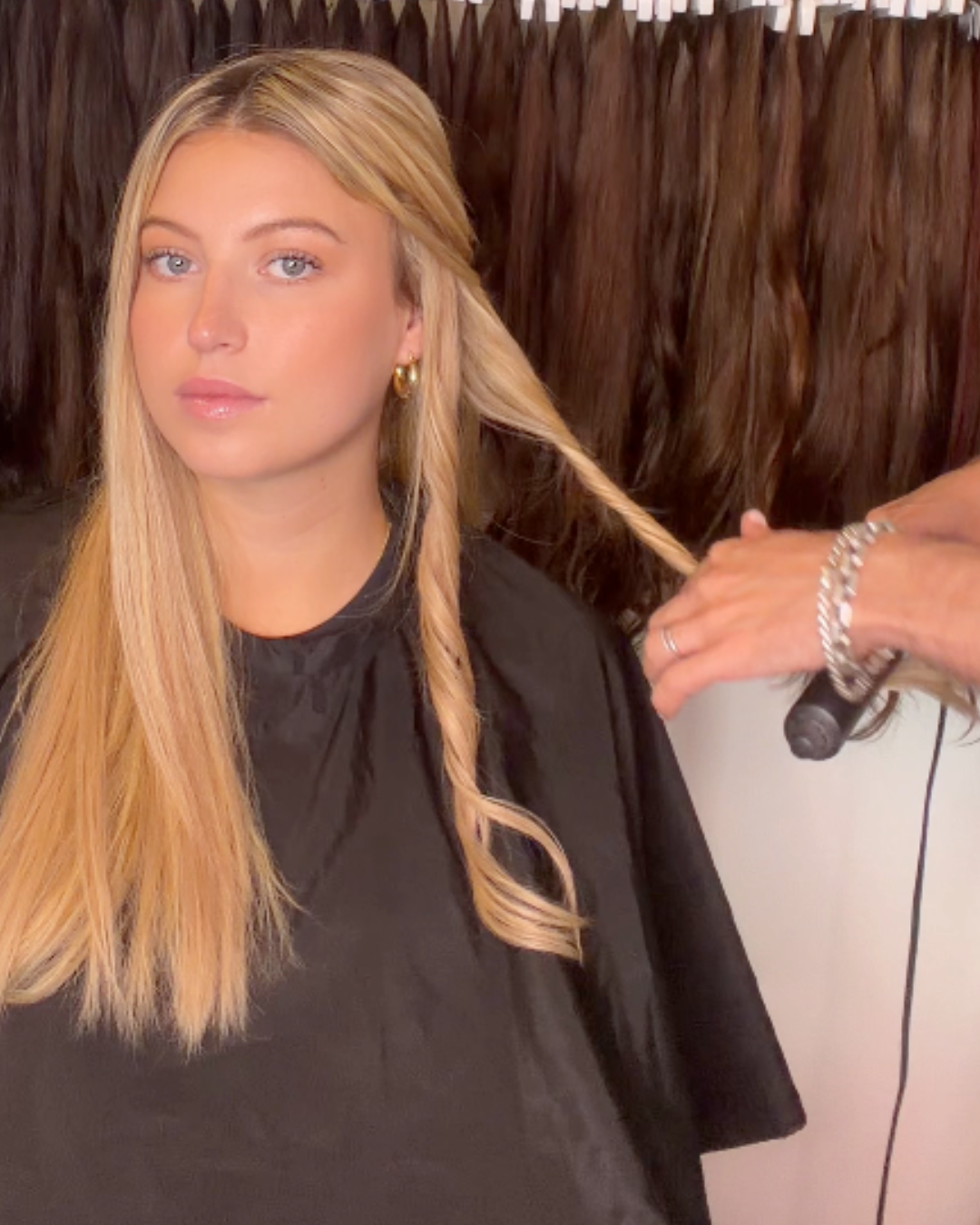
Clayton doesn’t use the same wave pattern throughout the entire style. Instead, he reserves a more defined S-wave technique for the face-framing sections, using a scooping motion with the iron to create soft bends that enhance the front of the haircut.
The remaining sections are styled with broader movement, allowing the face frame to stand out while maintaining an effortless overall finish.

Move the slider to see the before and after:
Watch the full tutorial below to see Clayton’s extension placement, wave pattern and finishing techniques:

Join BehindTheChair
Access the industry’s #1 source for hair trends, education and community now.