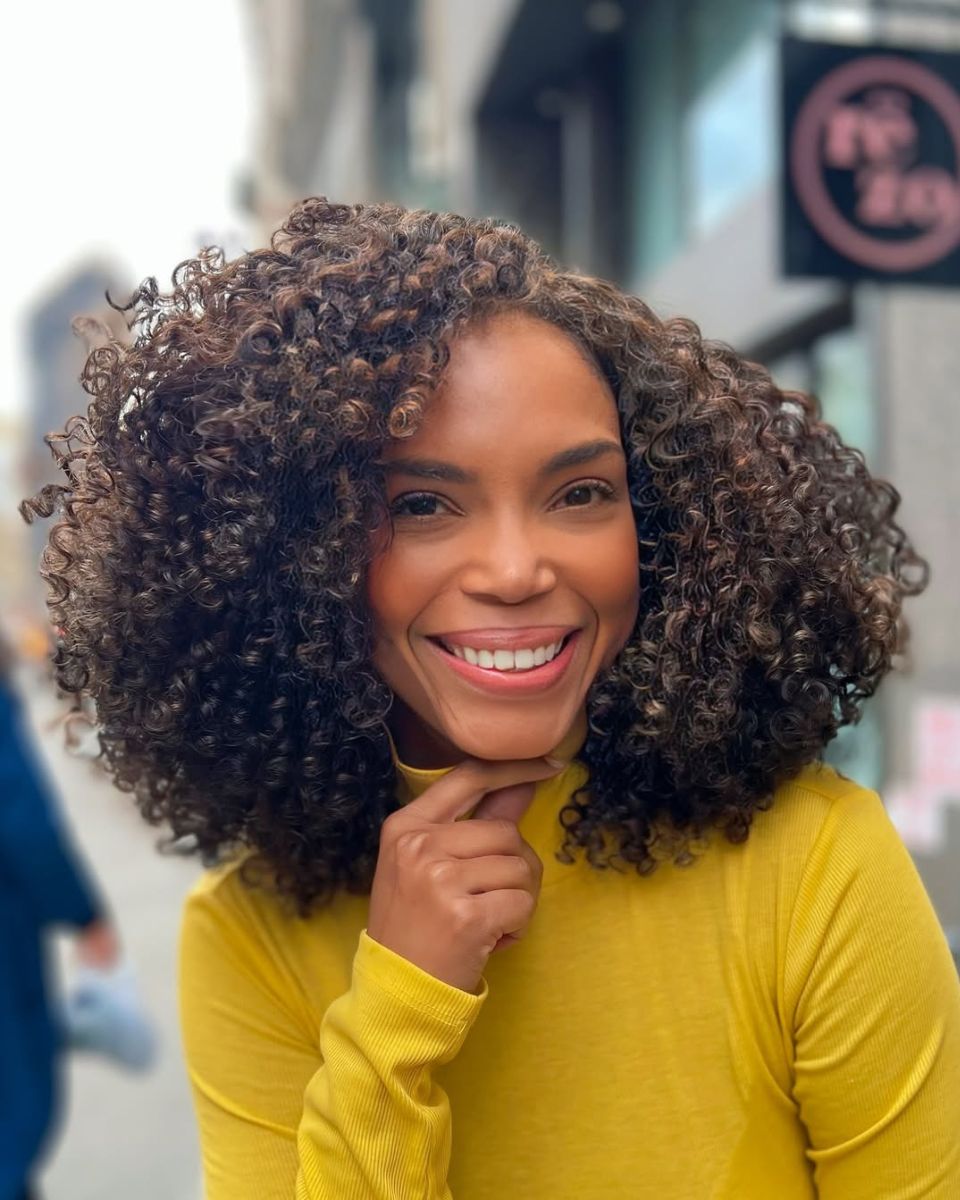
How To Build Volume in Curly Hair Without Losing Length
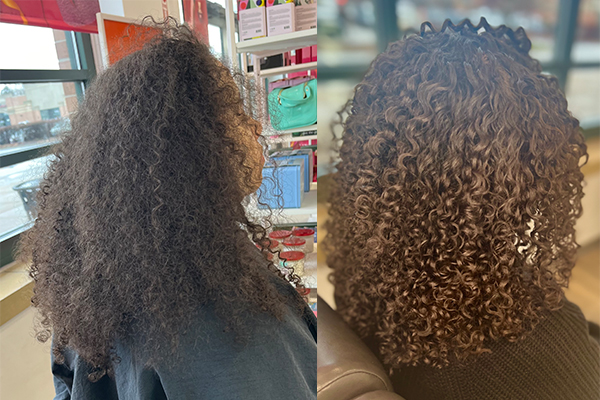
Curly clients often want more shape and volume—but they also want to keep their length. In her BTC University class “The Rëzo Cut: Loose Textures”, curl authority and salon owner Nubia Rëzo (@nubiarezo) demonstrates how to create fullness on looser curl patterns while preserving the length the client wants to keep. Find her top tips below.
Identify The Shortest Curl in Each Section
Nubia’s client, Alondra, asked for more volume and face framing, but she was clear that she did not want to lose too much length. Her first step is always identifying the shortest curl in the nape section—here’s why.
“[She] was very specific: Keep as much of my length as possible,” Nubia says. “That’s a little tip for you guys: Don’t ever cut shorter than the shortest curl.”

Working with clean, dry, detangled hair in natural fall, Nubia uses C-shaped cutting, zero tension and controlled sections to build movement while preserving the perimeter.

“For this client, preserving length is my priority,” Nubia says. “I know she wants that the most.”

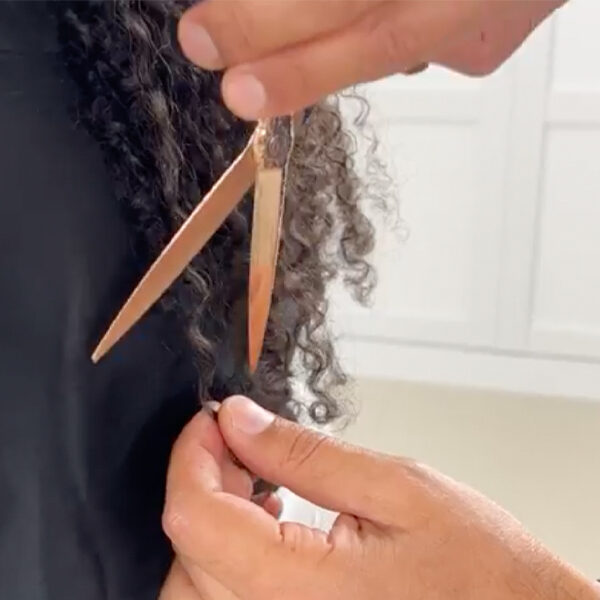
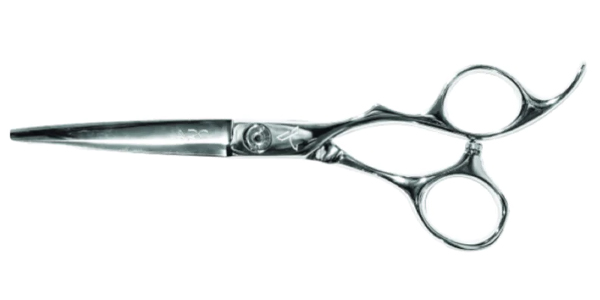
Pro Tip for Curly Cuts: Nubia shares, “Tools are major when we are cutting,” Nubia says. “My go-to tool is the ARC™ Scissors THE CURVE, with the sharpest blade, perfect to create circles, ‘C’s’ and the pinch in the Rëzo technique.”
Advertisement

Because the Rëzo Cut is done dry and with zero tension, Nubia relies on the shape and movement of the scissor to help guide the cut without disturbing the natural curl pattern. “Always use the tip of the blade of THE CURVE because it’s really going to give you a nice, perfect cut.”
Consider Varying Curl Patterns as You Cut
As she works up the head, Nubia watches how each curl reacts before cutting more. That observation becomes especially important when a client has different curl patterns or areas that have loosened texture from lightener.
“Always observe when you’re cutting texture,” Nubia says. “It’s so important to always check every section, because the section you cut before may have been looser, but the one on top is tighter—or vice versa. So, the movement of how you cut will be different.”
Cutting Techniques Visual Reference
More volume doesn’t always require removing significant length. For curly clients who want shape without sacrificing length, work dry, use zero tension, follow the natural curl pattern and avoid cutting every section to match the shortest piece.

Watch the full technique in Nubia Rëzo’s BTC University class, The Rëzo Cut: Loose Textures.


Join BehindTheChair
Access the industry’s #1 source for hair trends, education and community now.