Clients Are Asking About GLP-1 Hair Loss. Here's the Bigger Conversation Every Stylist Needs to Have.
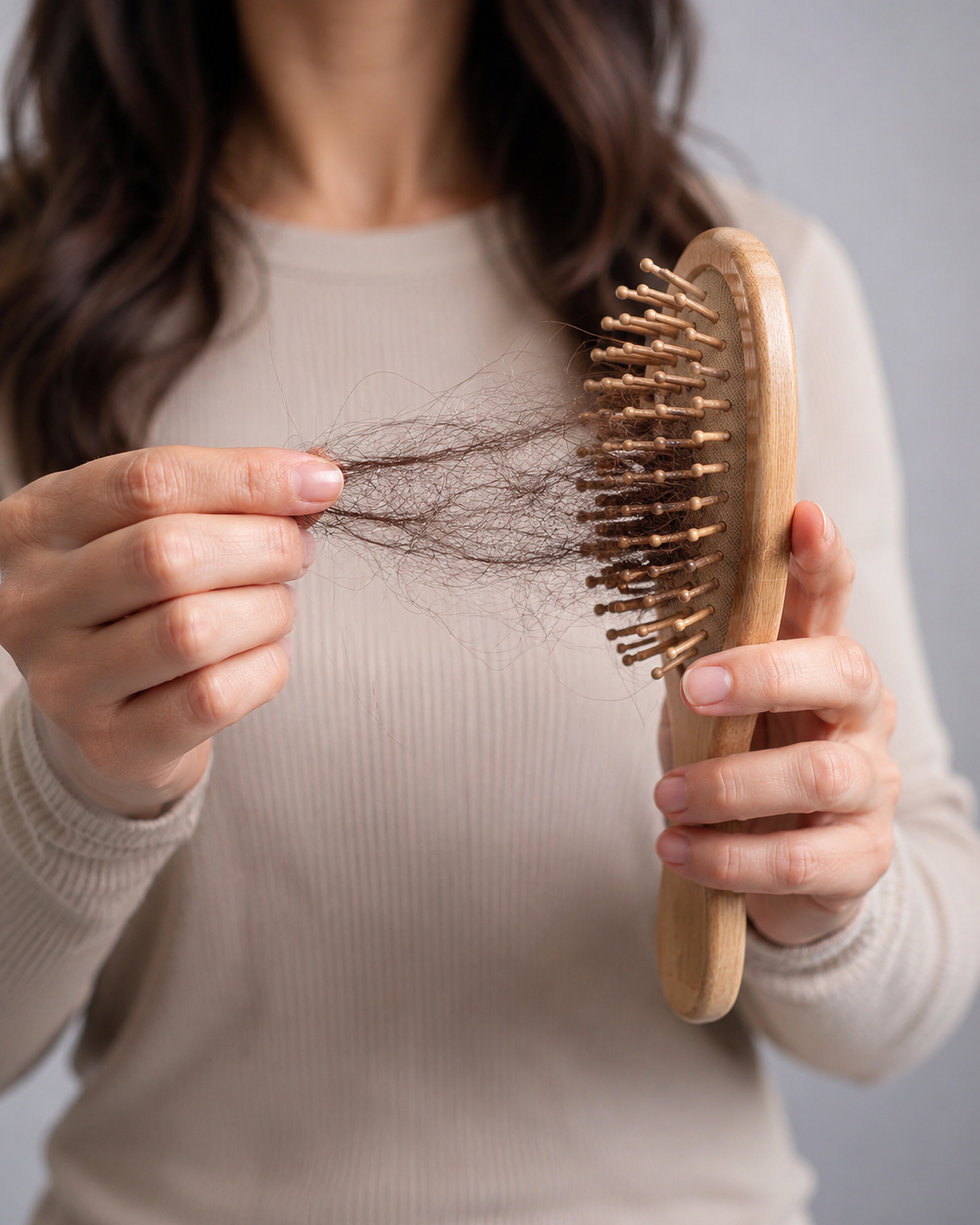
More clients are asking about GLP-1 hair loss, early grays and unexpected shedding—but those concerns all point to a much bigger shift. Clients are noticing signs of hair aging earlier than ever before. According to K18 Hair experts, that puts professionals in a unique position to recognize early biological changes, educate clients and guide consultations with science-backed insight.
K18 Co-Founder & CEO Suveen Sahib (@suveensahib), SVP of Research & Innovation Rita El-Khouri and celebrity colorist Jack Martin (@jackmartincolorist) break down the science behind hair longevity and what it means for today’s consultations.
GLP-1 Hair Loss Is Just One Piece of the Puzzle
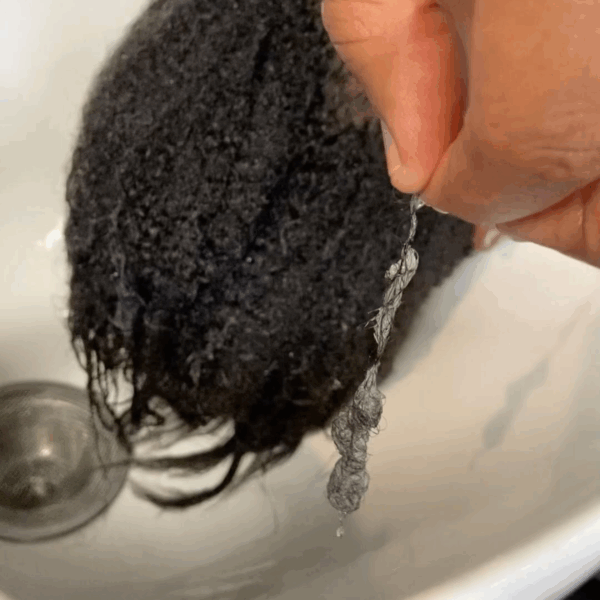
Jack says he’s seeing more clients concerned about hair changes after rapid weight loss and GLP-1 medications. “Weight loss medications really do affect the hair a lot,” Jack says. “I’ve seen a lot of clients starting to shed more. Some of them are also noticing more gray in their new growth.”
Advertisement

But according to Suveen, GLP-1s didn’t create the conversation—they simply brought it into focus because:
- 69% of people say graying began earlier than expected and
- 66% of people say shedding began earlier than expected
Follow @k18hairpro for more science-backed education and innovations.
Hairdressers Are Seeing the Signs First
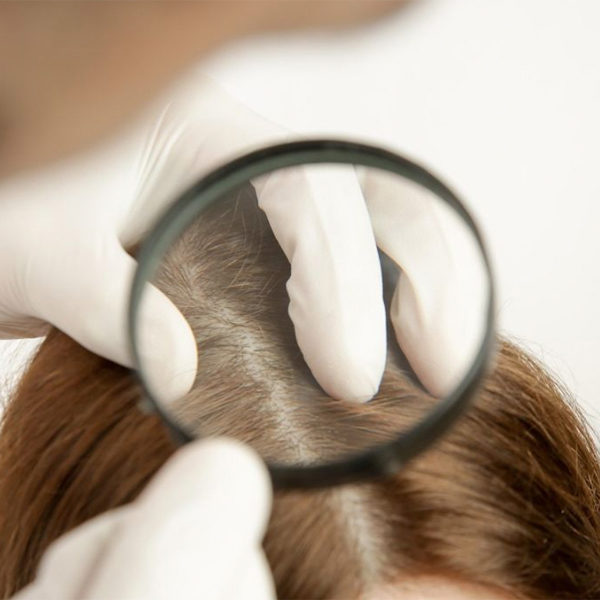
Because stylists see their clients—and their scalps—every few weeks, they’re often the first to notice subtle changes long before anyone else. For Rita El-Khouri, Lead Scientist at K18 Hair, those early changes shouldn’t be ignored.

“If there’s a little bit of shedding, that’s a biomarker,” Rita explains. “Especially if your client isn’t at an age where you would anticipate it. You’re the people who are going to see it first.”
Rather than dismissing increased shedding as “normal,” Rita encourages stylists to see it as an early biological signal that something may be changing beneath the surface.
Suveen believes that evolving role makes today’s hairstylist much more than a transformation specialist. “This isn’t just about being a transformation specialist. This is your canvas,” he says. “If you can protect that canvas, you can create more artistry and give more life to that canvas.”
What’s Actually Happening to the Hair?
According to Rita, every hair follicle is a living, energy-consuming organ equipped with natural defense systems. As we age, oxidative stress naturally increases—but environmental aggressors, chronic stress, rapid weight loss and chemical services can accelerate that process.
Advertisement

“We’re exposed to so many different aggressors unintentionally,” Rita says. “You’re adding environmental stress. Then you’re adding chemical services. You’re almost exhausting the system.”
As those natural defenses become compromised, multiple biological pathways begin to change, contributing to premature graying, increased shedding and weaker hair quality. That’s why K18 believes understanding the biology behind these changes is just as important as treating their visible effects.
Why Biology Comes Before Repair
As conversations around hair longevity become more common, Suveen says stylists shouldn’t shy away from them. “Clients are going elsewhere trying to figure out solutions, when stylists should actually be giving them the solution,” he says.
That philosophy extends to K18’s approach to innovation. “When you talk about taking care of the skin, taking care of the scalp and taking care of the hair fiber, you need to understand biology first,” Suveen says. “If you don’t understand biology, you can’t repair the biology.”
Rather than creating more complicated routines, K18 focuses on understanding the science first, then developing solutions that work with the hair’s biology. “It’s about how you create products that actually work—not just work, but also simplify friction,” Suveen says.
The Future of the Consultation
For K18, hair longevity isn’t about preventing aging, it’s about helping clients maintain healthier hair throughout every stage of life. “Longevity isn’t about how I increase my lifespan,” Suveen says. “It’s about how I stay healthy as long as I live.”
Advertisement

As more clients ask about GLP-1 hair loss, early grays and changes in hair quality, the consultation itself is evolving. Hairdressers are no longer simply transforming hair, they’re often the first professionals to recognize early biological changes and help clients understand what’s happening.
That opportunity is exactly why K18 is investing in the science of hair longevity: giving stylists the biological understanding and professional tools to confidently guide clients through conversations that are only becoming more common.
Lead every consultation with confidence. Follow @k18hairpro.

Join BehindTheChair
Access the industry’s #1 source for hair trends, education and community now.