Modern Auburn Hair: How To Create Rich, Expensive-Looking Color
Are Your Reds Looking Flat or Overly Orange? Read This Colorist’s Guide
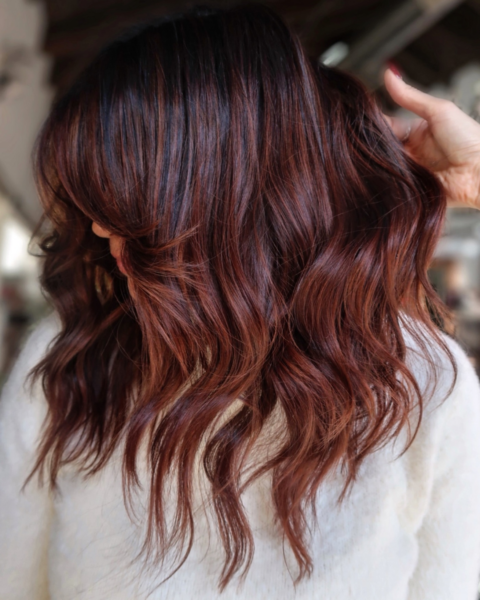
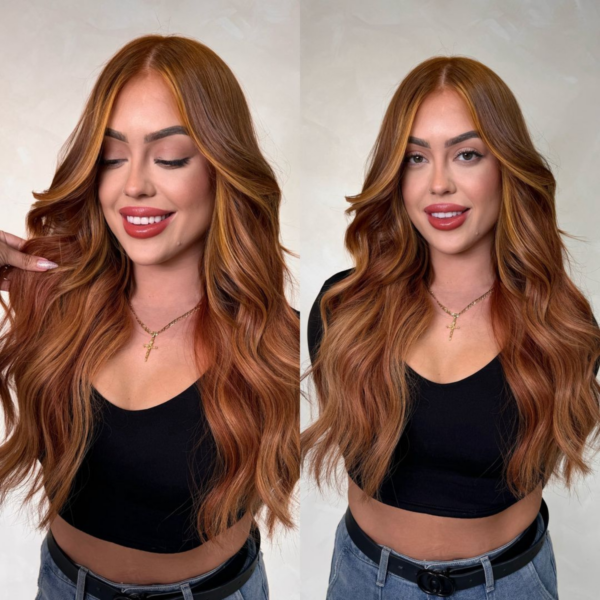
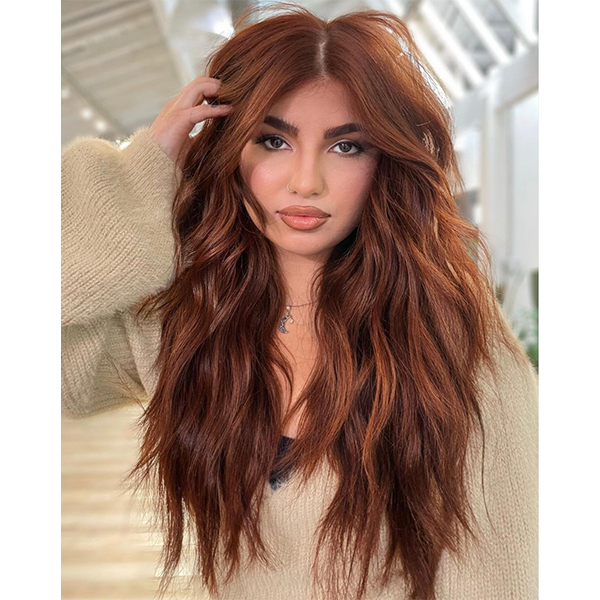
Modern auburn updates traditional auburn with softer tonal contrast, controlled warmth and richer brunette-red dimension. Tonal layering and neutral balance create a glossier, more reflective result without overly saturated warmth, aligning with the broader shift toward “quiet luxury” color and softer, more expensive-looking finishes.
“Auburn lives deeper and more balanced,” says Jessica Scott Santo (@jessicascotthair), Moroccanoil® Global Ambassador, lived-in color specialist and #ONESHOT winner. “It’s a red-brown with controlled warmth.”
We asked three color specialists to break down exactly how they formulate modern auburn, from balancing neutral bases and controlling warmth to avoiding orange fade-out and creating softer, more dimensional auburn tones. Ahead, they’re sharing the formulas, glossing strategies, tonal tips and more.
What Is Modern Auburn Hair?
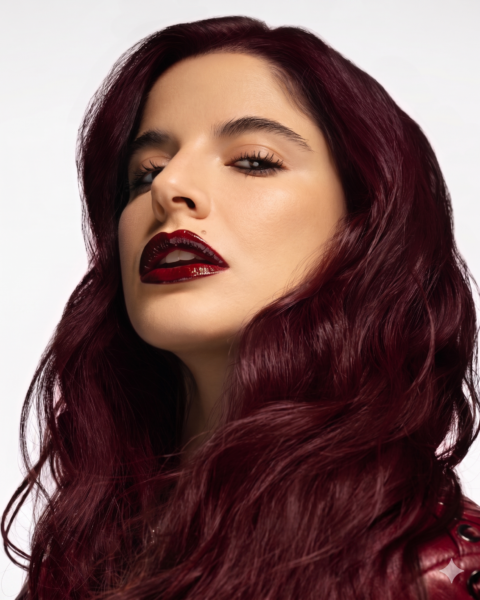
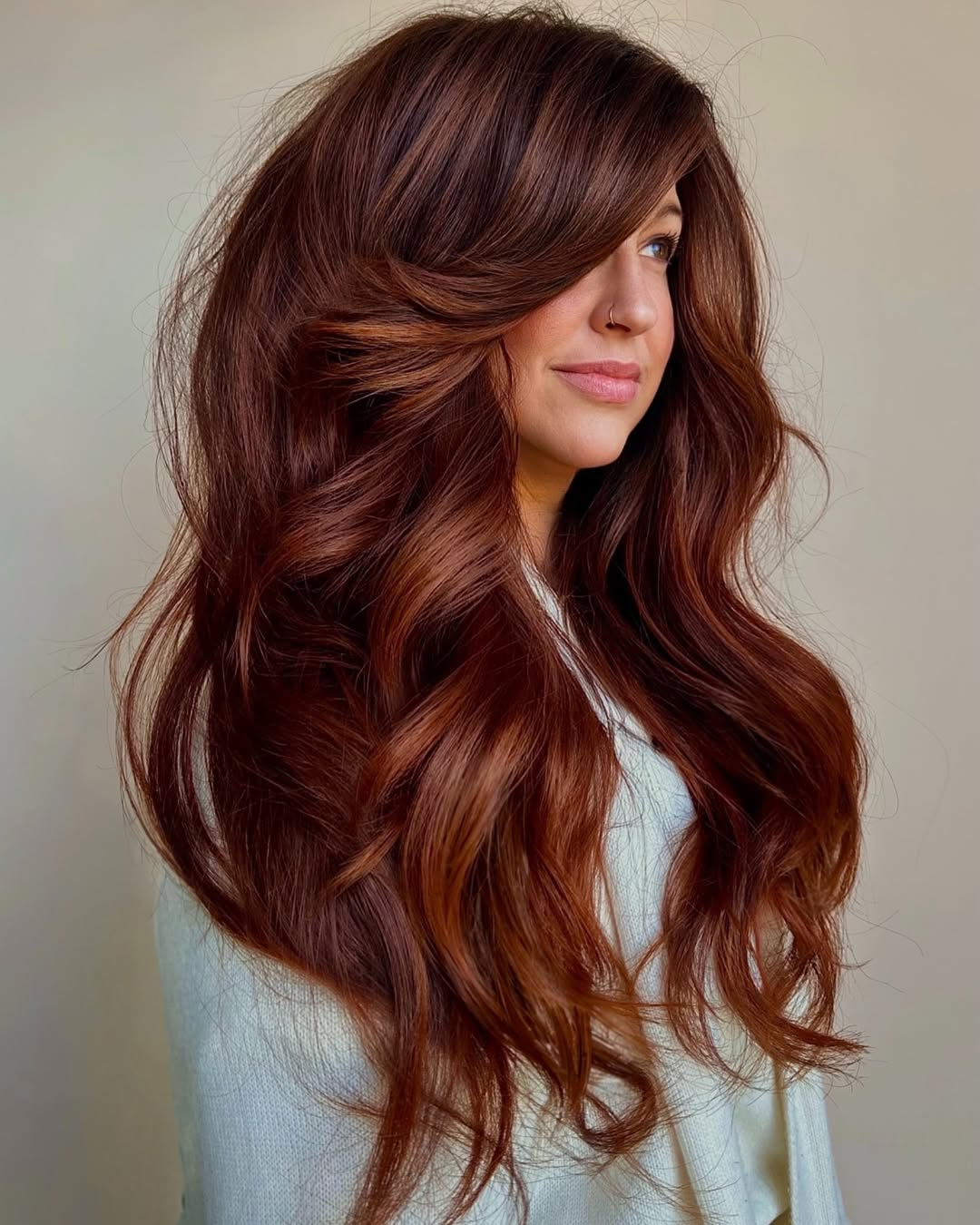
Modern auburn is all about richer depth, softer warmth and more tonal movement throughout the hair. “Auburn sits deeper; it’s grounded with a brunette base and leans more red-violet, so it reads rich, dimensional, and expensive,” says Amie Slayton (@amieslayton), #ONESHOT winner and color specialist.
Modern Auburn vs. Cowboy: What’s The Difference and How To Formulate
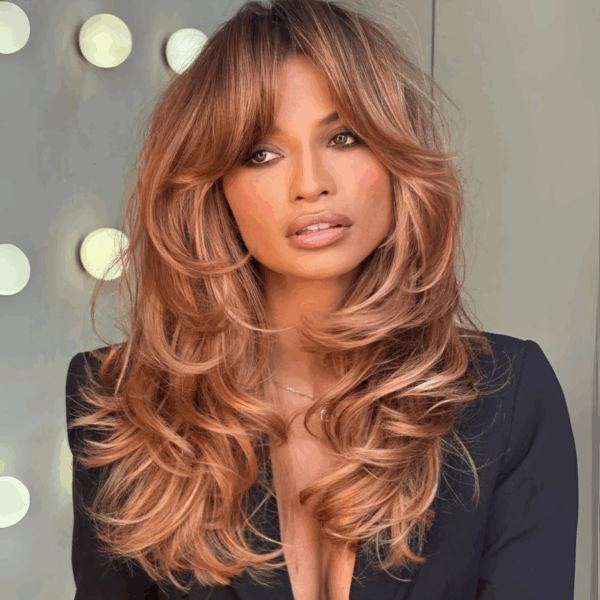
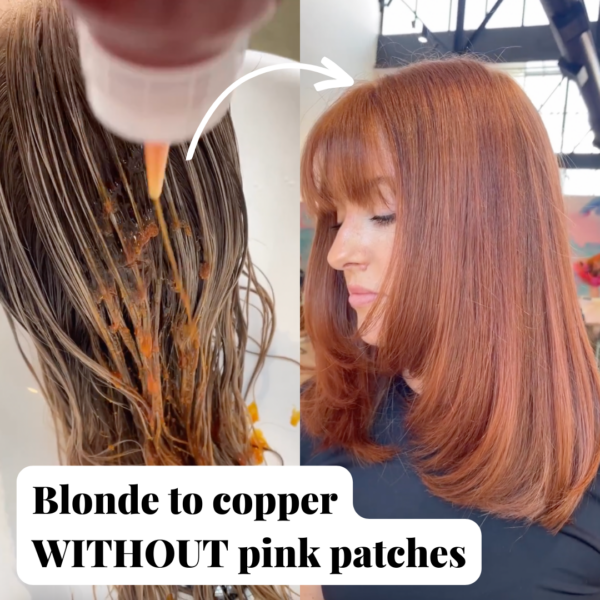
“Copper is more orange-forward and reflective, so I allow the brightness to stay more visible in the formula. Auburn sits more in a red-brown space, so I’m intentionally adding depth by incorporating red with a neutral base to ground it and keep it from feeling too bright,” says Kristyn Hamilton (@khamilton.hair), Danger Jones Educator and #ONESHOT Finalist. “So while copper is more about vibrancy and warmth, auburn is about richness and controlled warmth.”
Advertisement

Key differences between auburn and copper include:
Auburn:
- Rich brunette-red balance with controlled warmth
- More depth support throughout the formula
- Often grounded with natural, brunette or red-violet tones
- Softer, more diffused reflect
Copper:
- Brighter orange-gold reflect
- Higher visible warmth and stronger saturation
- Less depth support for a lighter, brighter finish
- Formulated to maximize warmth and light reflection
What Gives Modern Auburn Its “Expensive” Finish?
Modern auburn gets its softer, more expensive-looking finish through preserved depth, layered glossing, lowlights and diffused warmth instead of heavy saturation.
Color Wheel Quick Reference Card
One of the biggest mistakes stylists make when formulating auburn? Over-lifting the hair before depositing the final tone. Lifting too light can remove the depth and underlying warmth that gives auburn its richer, more polished finish.
“I don’t over-lift—keeping warmth in the hair is what makes auburn feel luxe instead of flat,” Amie says. “I want dimension you can see, not just tone you can name.”
The Neutral Base Rule: Why Auburn Turns Orange Without It
One of the biggest challenges with auburn is controlling how warmth fades over time. Without enough depth or neutral support, the tone can quickly shift overly bright, especially on lighter or porous hair.
Advertisement

“A neutral base is key in an auburn formula because it creates the depth that’s needed to support the red tones,” Kristyn explains.
Jessica says she often anchors her formulas with “…at least 25–50 percent natural [base tones], depending on the level of porosity and their target shade” to keep the result balanced with softer warmth instead of overly bright reflect.
Modern Auburn Formulas and Tone-Control Tips
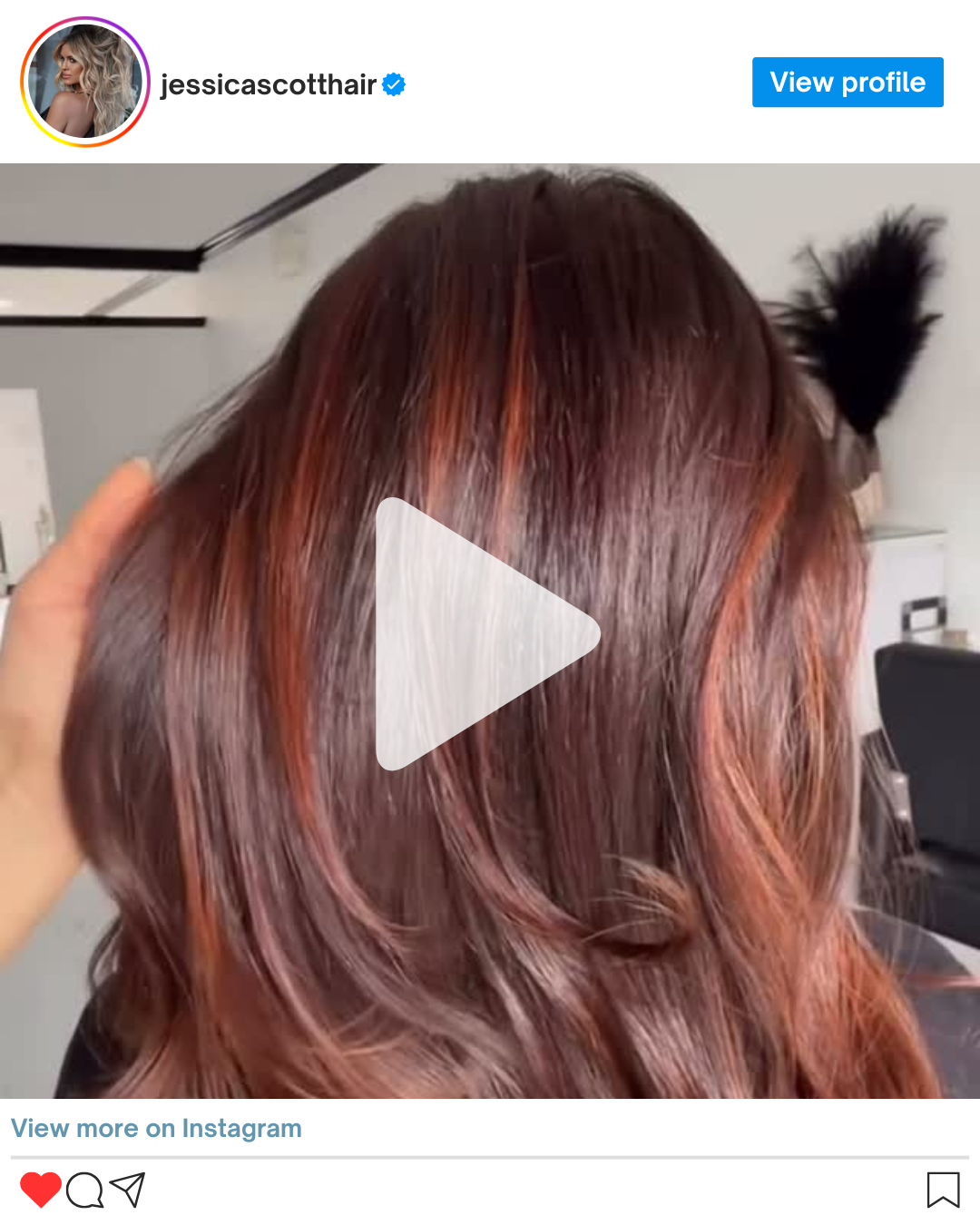
Jessica builds dimension through lowlights and glossing instead of relying on one flat red formula. “I’ll often alternate panels of slightly different auburn tones instead of one flat formula,” Jessica explains. “This keeps it reflective, expensive looking and very lived in.”
She says the starting level can completely change how auburn reflects:
- Levels 4–6: Ideal for auburn because the existing depth supports the tone
- Levels 7–8: Exposed orange/yellow warmth can push formulas more copper without enough depth support
Click the beaker to see how Jessica built that balanced, glossy finish using Moroccanoil® Color Calypso:

Press play to watch her application steps:
Qynne Callahan (@qynnes_canvas), SEVEN Haircare and divi™ Brand Ambassador, says grounding auburn with a softer natural base helps keep the warmth rich and balanced while avoiding overly bright or hot roots during grow-out. Click through the slideshow below to see how she uses Schwarzkopf Professional® IGORA VIBRANCE® to control warmth:
Melissa Maloney (@live_love_dohair), Joico Creator and #ONESHOT winner, created this warm auburn look for a client who wanted to experiment with red while still keeping the result soft, blended and natural-looking. Click through the images below to see how she used Joico LumiShine to create the glossy, blended finish:
- Formula A (root smudge): Joico LumiShine Permanent Crème Color 4NWB/4.07 + 5NC (equal parts) + developer
- Formula B (gloss): LumiShine Permanent Crème Color 6WC + 7WC (equal parts) + developer
To create dimension for her client in the look below, Amie says, “I used teasy lights and macro lights with Matrix High Riser [and] a low volume developer, lifting to about a Level 7. I don’t over-lift—keeping warmth in the hair is what makes auburn feel luxe instead of flat.”
Advertisement

For the mids and ends, I melted everything together. This is where it comes to life, that balance of brown, gold and red gives a velvety auburn that shifts in different lighting,” she says. “I’m not afraid to double-gloss to build depth, dimension and longevity.”
Tap the beaker to see Amie’s full formula:

“Auburn has this chameleon quality I love. It can feel deep and moody inside, then shift in the light and reveal all that warmth and dimension. That’s always the goal: color that doesn’t just look good in the chair—but keeps giving in every light,” Amie says.
Other auburn formulas:

Join BehindTheChair
Access the industry’s #1 source for hair trends, education and community now.