Faded Tone, Brassiness and Uneven Color? Hard Water Might Be to Blame
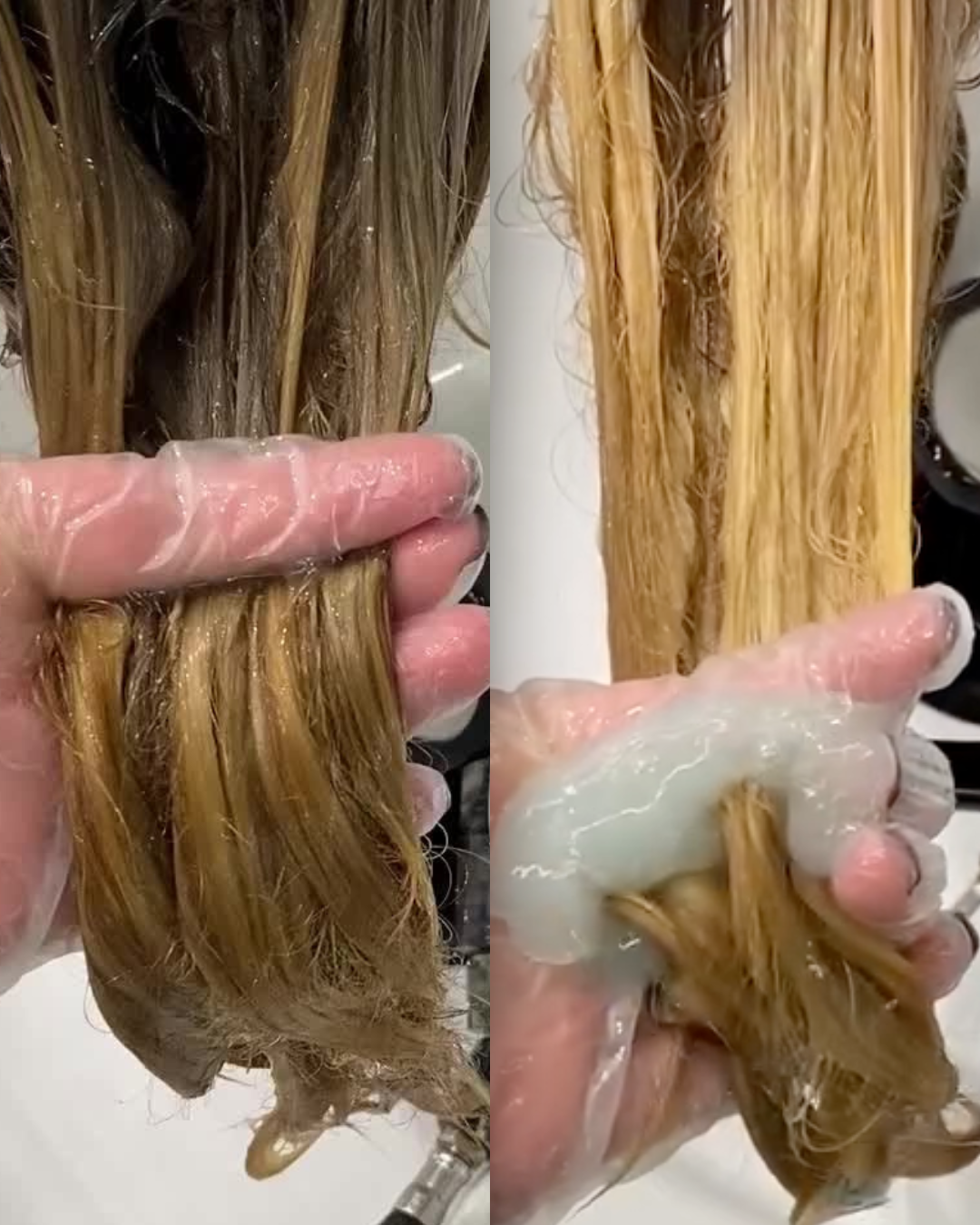
How Hard Water Might Be Affecting Your Color More Than You Think If your toner keeps grabbing weird, blondes are turning muddy too fast or color just isnโt hitting like it should latelyโฆhard water might be part of the problem. Over 85 percent of U.S. homes have hard water, meaning many clients are constantly depositing minerals like magnesium, calcium and more onto the hair. Over time, that buildup can interfere with lift, tone, shine and color longevityโespecially for blondes. Below, weโre breaking down the minerals most commonly affecting color services, why hard water can throw off blonding and toning results and the detox step more stylists are adding before chemical services. Could your clientโs water be to blame? Use the Hard Water Map to see what minerals are in your local water and how they may be affecting your services. Whatโs in Hard Waterโand Why Does It Matter? Hard water buildup can do a lot more than make the hair feel dry; it can sabotage your color service. Minerals from water can sit on the hair for weeks (or longer), creating buildup that interferes with lift, tone, shine and overall color clarity. Thatโs why some blondes turn muddy faster, toners grab unevenly or hair suddenly starts processing warmer than expected. Here are the biggest offenders stylists are seeing: Calcium and Magnesium: These minerals can create a coating on the hair that blocks moisture and leaves the hair feeling rough, brittle or heavy. Over time, blondes can start looking flatter, duller and less reflective. Copper: One of the biggest causes of unwanted muddy or discolored hairโespecially that greenish cast blondes can pick up after pool exposure. Copper buildup can also contribute to excessive heat reactions during blonding services. Iron: Often linked to brassiness, muddy-looking blondes and orange discoloration that feels difficult to tone cleanly. Chlorine: Chlorine exposure can weaken the hair, strip color and increase dryness and porosity issues. Below, cosmetic chemist Rita Dean breaks down how mineral buildup affects the hair and why more stylists are paying attention to hard water exposure: Hereโs a closer look at how different hard water minerals can affect various hair types and services: Check the Hard Water Map to see what minerals may be affecting your clients. How Hard Water Sabotages Your Services Blonding and Lifting: Metals trapped on the hair can react during lightening services, sometimes causing excess heat, uneven lift or increased fragility through the mids and ends. Toners and Glosses: Ever have a toner fade weirdly after one or two washes? Mineral buildup can interfere with how tone reflects on the hair, making blondes look duller, muddier or warmer faster. Color Longevity: When buildup sits on the hair, color molecules may not penetrate as evenly, leading to faded results that donโt hold their tone the way they should. Texture Services: Perms, smoothing treatments and relaxers can process inconsistently when buildup interferes with penetration and bond restructuring. How Stylists Are Working Around Hard Water For many colorists, the goal is simple: remove as much buildup as possible before the chemical service even begins. Thatโs why detox treatments are becoming a bigger part of blonding, glossing and corrective color appointments. For over 40 years, many salons have trusted Malibu Cยฎ Crystal Gel, a professional treatment designed to help remove mineral buildup and environmental impurities from the hair before color services. Below, extensions and color specialist Rachael Crist (@pa_hair_extensions) shows Crystal Gel pulling green mineral buildup from the hair in real time. Press play to watch the gel change color during the process: Why stylists use it before chemical services: Cleaner Lift: Helps create a more even foundation before blonding and high-lift services. Truer Tone: Removes buildup that can interfere with how toners and glosses reflect on the hair. More Predictable Results: Many stylists use detox treatments before corrective color and blonding refreshes where buildup may affect processing consistency. Click through the before-and-afters below to see how removing mineral buildup can affect tone, clarity and shine: Photo courtesy of Malibu Cยฎ Photo courtesy of Malibu Cยฎ Photo courtesy of Malibu Cยฎ Photo courtesy of Malibu Cยฎ Photo courtesy of Malibu Cยฎ Photo courtesy of Malibu Cยฎ Photo courtesy of Malibu Cยฎ Photo courtesy of Malibu Cยฎ Faded tone and uneven lift might start with the waterโsee what minerals are showing up in your area. How Clients Can Protect Their Color at Home Removing buildup in the salon is one step. Keeping minerals from building right back up at home is the other. Thatโs why many stylists are pairing detox services with at-home hard water care designed to help maintain tone, softness and shine between appointments. Products like Malibu Cยฎ Hard Water Wellness Collection (shampoo, conditioner and weekly treatments) are designed to help remove ongoing mineral buildup from shower water before it starts affecting the hair again. For blondes especially, consistent at-home maintenance can help support brighter tone, softer feel and longer-lasting color between visits. Your clientโs water could be affecting more than you think. Check the Hard Water Map here.ย This content is sponsored.
Latest Stories
-
ClarifyingCan Self-Tanners & Spray Tans Stain Your Hair?ย
Your Tan Routine May Be Ruining Your Blonde, Hairstylists Say… As more and more people opt for self-tanners and spray tans to get a tan, questions surrounding how sunless solutions work are on the rise. And when it comes to pairing fake tans with blonde hair, many wonder if the solution can change your hair color while it bronzes your skin. ย Ahead, we’re breaking down exactly how sunless tans work and what to do if you notice they’re staining your strands. How do sunless tans work? Here’s what to know: Dihydroxyacetone (DHA) is the active ingredient in sunless tanning products that gives your skin a tanned appearance. DHA is a colorless, non-toxic sugar that reacts with amino acids in your skin to create a pigment that darkens the skin.ย ย Here’s everything to know about sunless solutions and their formulations: ย Both self-tanners and professional spray tan solutions can either be clear or come with cosmetic bronzers Bronzer solutions immediately tan the skin while clear solutions take a minimum of two hours to develop Solutions can be categorized as “Rapid Solutions” (can be rinsed off in 1 to 4 hours) or “Overnight Solutions” (can be rinsed off in 8+ hours) Professional spray tan solutions all come in liquid form and are to be applied using a spray tan gun Self-tanners can come in mousses, foams, tanning drops, lotions or sprays While sunless tans can be rinsed off in as little as an hour, DHA continues to develop on the skin for 24 hours after it is applied ย Can fake tans actually stain your hair? In short, the answer is “Yes,”ย but only if you use a bronzer solution on blonde hairโespecially when it’s wet or super porous. Whether you’re a spray tan artist working with bronzer solutions all day or a client who loves getting spray tans and using self-tanners, here’s how to avoid staining your light-colored locks: Always wear your hair up when applying the tan. Wear a thick headband at the hairline with a plastic hair net over your head to protect your hair. Apply a leave-in conditioner or hair mask before using a tanner. These can act as a shield and prevent the bronzer from settling into the hair. Always apply your tan in a spacious, well-ventilated area to avoid any excess overspray from falling into the hair. Using clear spray tan solutions and self-tanners will also ensure your hair will remain un-stained. Here’s what it can look like when fake tan stains blonde hair, according to UK-based colorist Shane Aherne (@shaneaherne_hair): Photo Credit: Instagram via @shaneaherne_hair Colorist Conor James Doyle (@conorjmd) also shares what a blonde client with spray tanned hair can look like: Photo Credit: Instagram via @conorjmd Here’s what to do if a spray tan has changed your hair color: If you do happen to notice the bronzers in your sunless solutions are tinting your blonde strands, first reach for a clarifying shampoo that removes dulling and damaging impurities, including things like… Hard water Metal ions Minerals Pollutants Product buildup (including spray and self-tan) Kenra Professional Clarify Shampooย removes all of the above and is formulated with willow bark extract to clarify without leaving strands feeling brittle. Next, reach for toning formulas to correct and naturalize the brassiness. Paul Mitchellย Platinum Plus Shampooย andย Platinum Plus Toning Drops are perfect for delivering platinum results while hydrating, detangling and leaving a beautiful shine.ย Finally, before your next color appointment, opt for OLAPLEX Broad Spectrum Chelating Treatment to purify the hair and create the perfect canvas for long-lasting color. . Up Next: Can Ozempicยฎ cause hair loss? Here’s what to know!
-
Clarifying4 Reasons Hair is Breaking & Shedding (That Have Nothing To Do With Lightener)
If Your Clientโs Hair Still Snaps Despite Good Care, This Might Be the Missing Link Youโve ruled out bleach. The formulas are clean. The tensionโs perfect. The hair should be holding upโbut itโs shedding at the bowl, snapping at the ends and falling flat before you finish styling. It looks healthy, but itโs not acting like it. If youโve ruled out lightener, itโs time to look deeper. Below, Redken Ambassador John George III (@johnwgeorge) shares four unexpected causes of breakage and how to fix them. 1. Moisturizing Treatments Might Be Making Dryness Worse If the hair still feels dry, even with oils, masks and moisture products in rotation, youโre not imagining it. John explains that the oils used to โmoisturizeโ can actually raise the hairโs pH and seal the surface, locking real hydration out. Instead of helping, they create buildup that repels water and prevents moisture from getting where itโs needed most. This often leads to over-clarifying and brittle, dehydrated hair. To interrupt the cycle, John starts with a pH-balanced cleanse that can remove buildup without stripping the hairโs natural oils. Thatโs why he reaches for Redkenโs Acidic Bonding Concentrate Shampoo and Conditioner, a system that gently resets pH, reinforces weak bonds and helps hydration actually absorb and last. Press play to hear Johnโs explanation: Curious what John reaches for when breakage isnโt adding up? Itโs all right here. 2. Hidden Bond Damage Can Show Up as Shedding When John first met this client, she had very fine, see-through hair that shed at the bowl, snapped during detangling and broke down after the blowout. One of the first goals was to grow out her previous color, which had left the hair compromised and lacking the strength needed to retain moisture or withstand heat. Over 1.5 years, John focused on rebuilding strength, supporting elasticity and restoring hydration using the Redken Acidic Bonding Concentrate system: Shampoo, Conditioner, Leave-In Treatment and the 24/7 Day & Night Serum. Together, the system helped reduce breakage and rebuild the internal structure needed to maintain her silk press routine and long-term progress. Press play to watch her transformation:ย Tap here to see the full system behind Johnโs results. 3. Fine Hair That Wonโt Hold Style Might Be Missing Structure When fine hair wonโt hold a curl or loses volume the second the blow-dryer turns off, the issue might not be elasticity; it could be a lack of structural support. John often sees this: hair thatโs technically healthy but too weak to maintain a style. Without internal reinforcement, even low-heat tools and careful tension can be enough to cause breakage over time. Hereโs how John builds strength without adding weight or coating the hair: Start with Acidic Bonding Concentrate Shampoo to reset pH and reinforce weak bonds Follow with the Redken Acidic Bonding Concentrate 5-Minute Liquid Mask for instant smoother texture and conditioning that wonโt leave buildup Finish with the Redken Acidic Bonding Concentrate Leave-In Treatment, which acts as a heat protectant while restoring flexibility for longer-lasting styles Click below to see how John uses rollers to reinforce curls on fine hair: 4. Hydrating Without Strengthening Still Leads to Breakage Moisture can make the hair feel soft, but softness alone doesnโt stop it from breaking. John points out that when hydration isnโt supported by internal structure, it fades fast, leaving the hair fragile and prone to shedding, even when it looks shiny and healthy. To maintain progress between appointments, John sends clients home with the Acidic Bonding Concentrate 24/7 Day & Night Serum. It contains citric acid, which penetrates up to seven layers deep to reinforce the hair from within, plus polyglutamic acid and squalane to help retain hydration. Lightweight and long-wearing, it protects against daily styling stress, without coating or weighing the hair down. Press play to see how John keeps moisture in and daily damage out: Ready to rebuild from the inside out? Get everything you need here. This content is sponsored.
-
ClarifyingWhy Does My Hair Hurt When It's Dirty? Doctors Weigh in
Notice A Painful Scalp in Between Wash Days? The Reason Why May Surprise You… It’s true: Your hair wash routineโor lack thereofโcan cause your scalp to hurt. But the reasons why are more nuanced than you think. Ahead, board-certified dermatologists Dr. Havens Cary and Dr. Anetta Reszko ofย Reszko Dermatology share exactly why your hair hurts when it’s dirty, what a healthy hair wash routine looks like and extra steps you can take to heal your scalp if you do go a little longer without washing. ย Here’s Why Your Scalp Hurts When It’s Dirty: If your scalp feels sore when your hair is dirty, it’s likely due to a buildup of oil, sweat and hair products that lead to inflammation. Here’s a breakdown of how different factors can lead to a tender scalp between wash days: ย Oil and Product Buildup:ย Excess oil and styling products can clog hair follicles, leading to inflammation and discomfort. Scalp Tension:ย When hair gets greasy, it can become heavier, pulling on the roots and causing tenderness. Bacteria and Yeast Growth:ย A dirty scalp creates the perfect environment for bacteria and yeast to thrive, leading to mild inflammation or irritation. Increased Sensitivity: When your hair is dirty, you might go longer without brushing or massaging your scalp, leading to poor circulation and tenderness. Tight Hairstyles: If unwashed hair means you’ve been wearing your hair up for a long time, then let it down, the change in tension can make your scalp feel sore. Related: Scalp Care 101: What to Know About Treating Scalp Issues. Here’s How Often You Should Really Wash Your Hair: According to Dr. Reszko, โThe frequency with which you wash your hair depends on sebaceous gland activity, hair type and scalp health because the scalp’s sebum production rate is genetically and hormonally regulated,” they share. In simpler terms, how often you should wash your hair depends on your hair and scalp type. Here’s Dr. Reszko’s guide to an ideal wash routine based on your hair type: If you have an oily scalp and fine hair: Wash hair every 1 to 2 days If you have a normal scalp and medium hair: Wash hair every 2 to 4 days If you have a dry scalp, curly or coily hair: Wash hair every 4 to 7 days If you have coily or kinky hair: Wash hair every 7 to 10 days If you are wearing a protective hairstyle (like braids, twists or wigs): Wash every 14 days If you have seborrheic dermatitis (which causes scaly patches, inflamed skin and stubborn dandruff): Wash your hair 3 to 4 times per week with an anti-dandruff shampoo ย Dr. Reszko wants to bust the myth that you can “train your scalp” to not get oily: “Keep in mind prolonged non-washing does not cause the scalp to produce less oil,” they share. While Dr. Cary explains the importance of not over-washing: “It is also important not to overly wash hair, as this can irritate and dry the scalp, while also potentially causing breakage and damage of the hair shaft,” they say. Here’s How to Treat Irritated Scalps: We’ve all managed to go a little too long without washing before and have been left with a particularly tender scalp. If this sounds like you, here are a few ways to treat and soothe excess buildup and irritation: First, cleanse the scalp with a clarifying shampoo. Product Suggestion: Kenra Professionalย Clarify Shampooย helps remove damaging impurities and dulling deposits including hard water, metal ions, minerals, pollutants and product buildup. Formulated with willow bark extract, this color-safe shampoo clarifies the hair without leaving it feeling dry or stripped. Next, exfoliate with a physical exfoliator. Product Suggestion:ย Urban Alchemy Salt Scrub Cleansing Shampoo is infused with the brand’s signature blend sea spa complex andย uses aย combination of sea salt and seaweed extract to prep the hair for treatment, deposit moisture and remove product residue. Then, apply a deeply hydrating hair mask. Product Suggestion: amikaย Hydro Rush Intense Moisture Mask is infused with squalane and hyaluronic acid to leave hair soft and moisturized. It is clinically proven to leave hair hydrated for five straight daysโplus, hair will be five times easier to comb and feel five times more hydrated after one use.ย Finally, apply a calming scalp serum. Product suggestion: Maria Nila Head & Hair Heal Soothing Serumย is a soothing scalp serum boosted with active ingredients to support scalp health. This fast-absorbing, non-greasy formula is designed to soothe a dry, itchy and flaky scalp. If you’re prone to dandruff, opt for an antifungal shampoo: Product Suggestion: Redken Dandruff Control Shampoo is dermatologist-tested, formulated with pyrithione zinc to control dandruff and leaves hair silky smooth. Disclaimer:ย The information provided in this article is for informational purposes only and is not intended as medical advice. Always consult with a qualified healthcare professional before making any decisions regarding your health, treatments, or medical conditions.
-
Clarifying
How Hard Water Buildup is Hurting Your Blondes
Got Hard Water Buildup? 3 Smart Solutions for Strong Blondes Hard water is the silent saboteur of blonde hair, causing brassiness, dullness and worst of allโbreakage. Although common in most American homes, minerals in hard water create stubborn buildup that can impact the effectiveness of color services and weaken hair over time.ย Below, weโll cover how to identify signs of hard water damage in blonde hair, prevent buildup before it causes breakage and treat it with the right in-salon and at-home care routines. Why Is Hard Water Bad For The Hair? โMinerals in our water can cause hair to have a reaction to lightener,โ shares BTC Team Member Ashley Smith (@paintedbyashleymarie). โMost water we wash our hair with has metals in it,โ she adds. Minerals build up over time, and most clients donโt realize they have hard water buildup until itโs too late. Here are some telltale signs Ashley looks for when assessing hard water exposure. Brittle, fragile hair that lacks moistureย Blonde hair that look dull and brassy from iron and copper Chemical reactions when coloring hair (causing breakage!) Hair loss 3 Ways To Protect Against Hard Water Exposure: 1. The โ3 Tโsโ of Blonde Haircare: BTC Team Member Kierra Taylor (@kierrastaylor) swears by the โ3 Tโsโ: Toning, treatments and trims. โKeeping our blondes bright requires products that prevent, repair from and protect against heavy metals,โ Kierra shares. See her go-to treatment combo below: After toning the hair with TRUSS Professional Perfect Blond Semi-Permanent 10.89, Kierra applied TRUSS Professional Stop Damage No Metal Shampoo and TRUSS Professional Intensive Mask to strengthen the hair and increase toner longevity.ย Formulas Photo Credit: Instagram via @kierrastaylor 2. Avoid A Chemical Cut Through Proper Prep Since we know the chemical reactions caused by hard water exposure can lead to a clientโs worst nightmare, breakage, letโs jump straight into solutions. Ashleyโs go-to prep product is TRUSS Professional Stop Damage No Metal Spray: โItโs a huge help behind the chair,โ Ashley shares. โI prep the hair with the spray [before lightening]. The magnetic technology attracts and captures heavy metals and impurities. This system also nourishes and restores the hairโsoftening, healing and strengthening to help prevent further damage from metals!โ she adds. Formulas Photo Credit: Instagram via @paintedbyashleymarie The result? Strong, bright blondes that radiate softness and shine: Formulas Photo Credit: Instagram via @paintedbyashleymarie Protect against hard water buildup: Click to try TRUSS’ Stop Damage No Metal Haircare Line! 3. Safely Tip-Out Prelightened Ends With This Techniqueย BTC Team Member Mallory Galusha (@hair_by_mallory_) created this buttery lived-in blonde with hair health in mind as her client had previously lightened ends. Her solution? โReach for TRUSS Professional Air Libre Bleaching Powder! Itโs perfect for freehand techniques, but it can also be used in foilsโso GREAT for teasylights. Itโs an incredibly gentle lightener that lifts up to 5 Levels!โ Mallory shares. Pro Tip: For further hair protection, Mallory will prep the hair with Stop Damage No Metal Spray: โThis spray detoxes those heavy metals and make your lifting process healthier and easier! It also contains amino acids and keratin that strengthen the fiber, preventing damage caused by a lightening service.” Formulas Photo Credit: Instagram via @hair_by_mallory_ Avoid a chemical cut! Shop TRUSS’ Stop Damage No Metal Haircare Line here. This content is sponsored.