Auburn Vs. Copper: How Depth Changes Warmth and Reflect
Auburn and copper may both fall into the warm color family, but depth is what changes how the color reflects, fades and ultimately reads. Ahead, three colorists explain how depth, neutral support and underlying pigment influence warmth, longevity and the finished result.
What Is the Difference Between Auburn and Copper Hair?
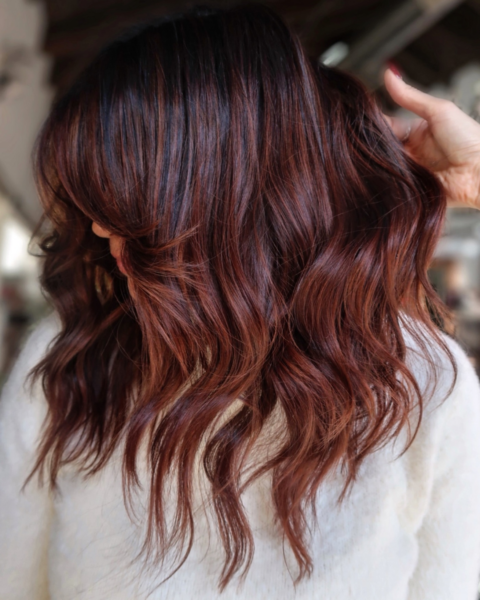
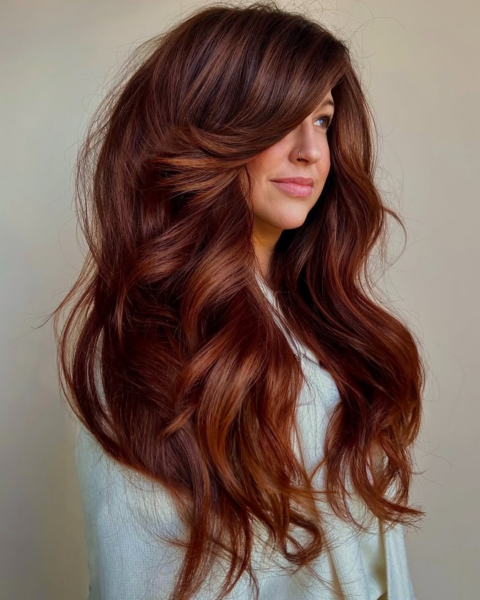
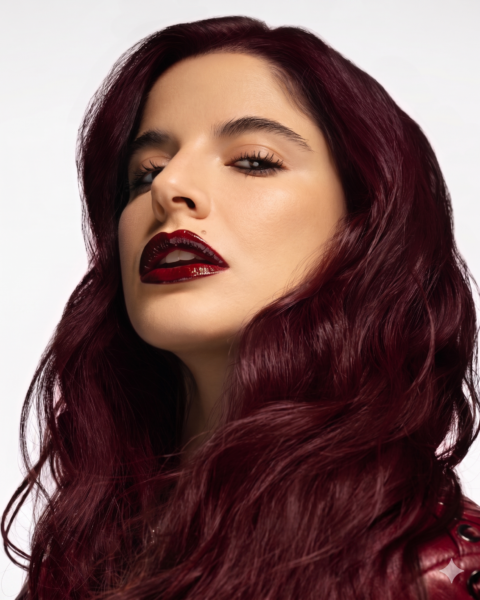
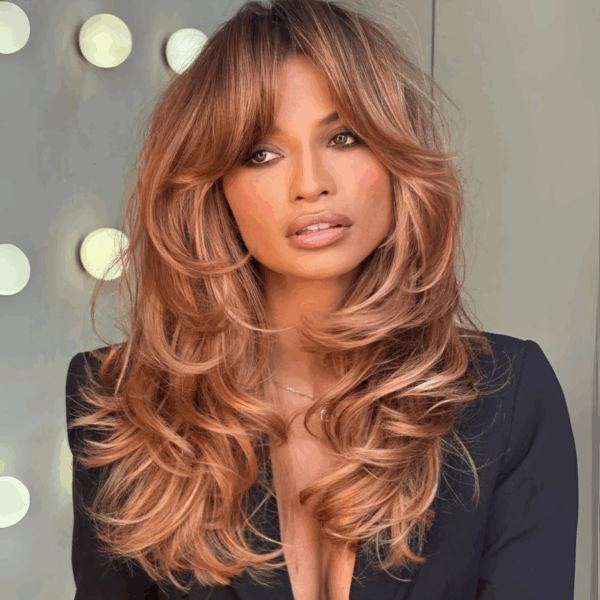
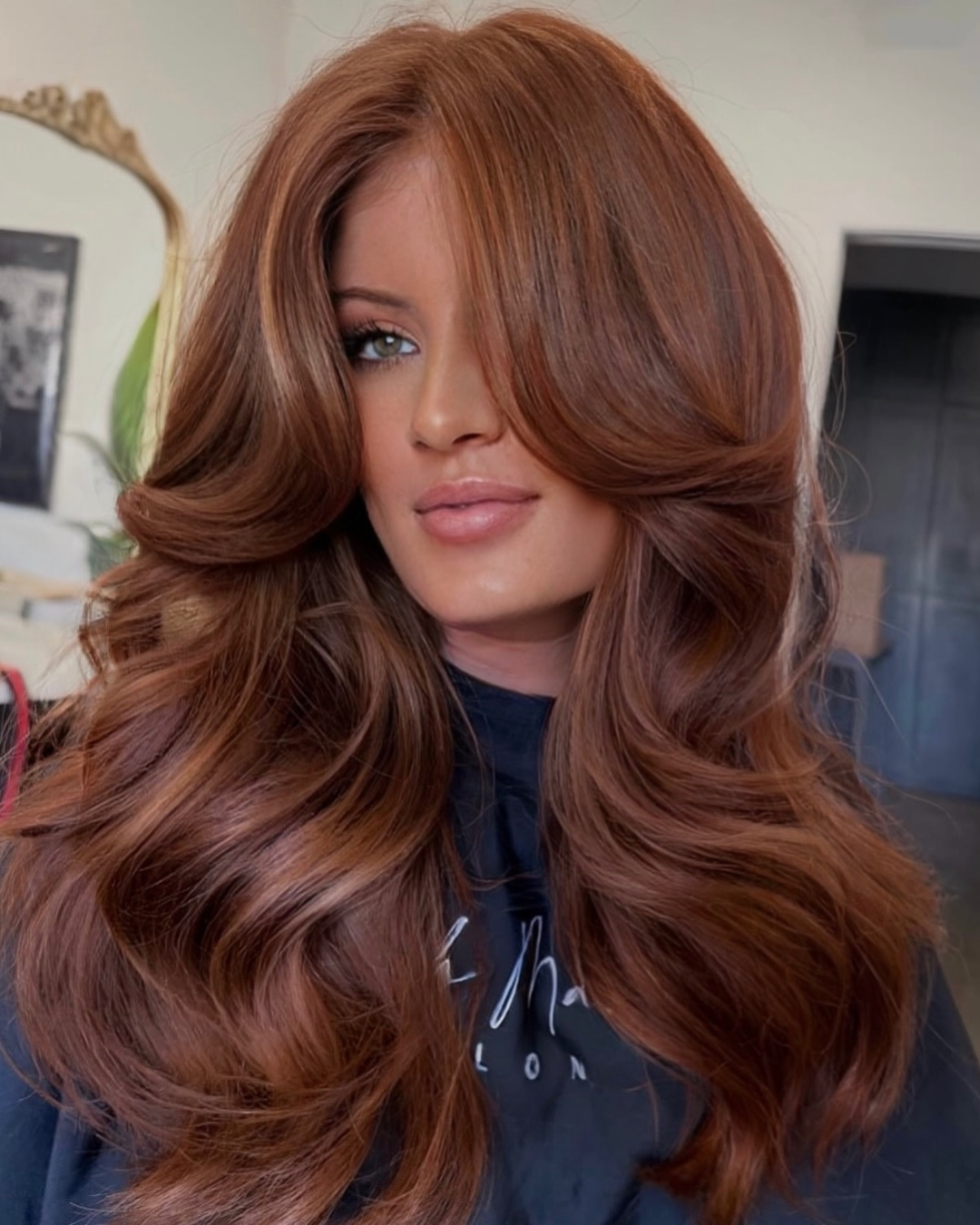
“Auburn lives deeper and more balanced,” says Jessica Scott Santo (@jessicascotthair), Moroccanoil® Global Ambassador, lived-in color specialist and #ONESHOT winner. “It’s a red-brown with controlled warmth. Copper is brighter, more orange and sits higher in reflect. Auburn is red plus natural/neutral with sometimes a touch of gold, while copper has a dominant orange [reflect] with gold with minimal depth support.”
Auburn vs. Copper at a Glance
How Starting Level Changes Auburn vs. Copper
The starting level and underlying pigment play a major role in whether a finished formula reads auburn or copper. The lighter the canvas, the more exposed warmth has to be managed.
Advertisement

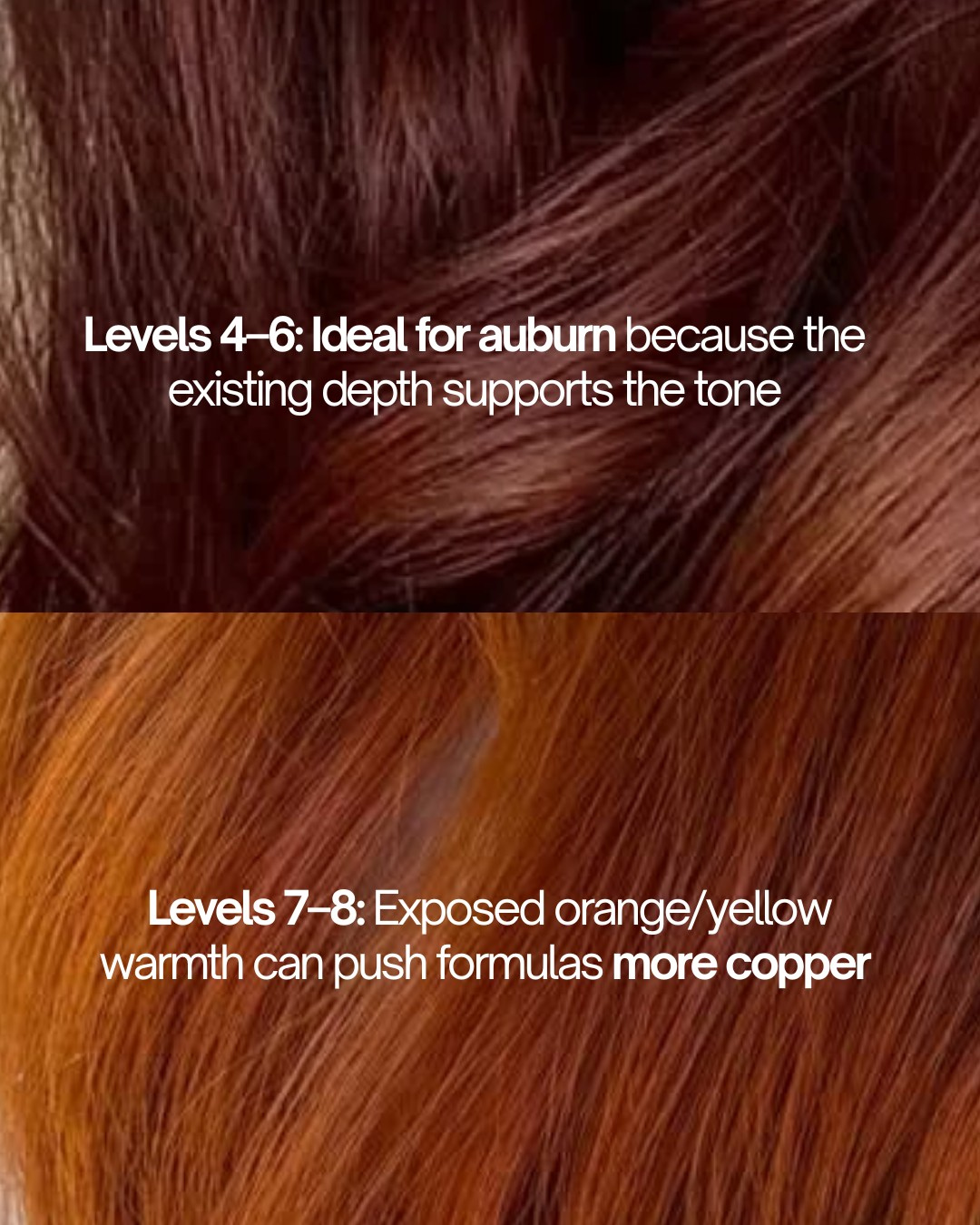
“Underlying pigment is the deciding factor,” says Jessica. “Levels 4 through 6 are ideal for auburn because the depth supports it. Levels 7 through 8 will push formulas more copper unless you rebalance with depth.”
Amie Slayton (@amieslayton), #ONESHOT winner and color specialist, takes a similar approach during lightening. “I don’t over-lift—keeping warmth in the hair is what makes auburn feel luxe instead of flat. I want dimension you can see, not just tone you can name.”
Why Auburn Can Turn Into Copper
Neutral support helps keep auburn from shifting too bright as it fades. “A neutral base is key in an auburn formula because it creates the depth that’s needed to support the red tones,” says Kristyn Hamilton (@khamilton.hair), Danger Jones Educator and #ONESHOT Finalist. “Without that balance, the tone can easily lean too copper or orange, especially on lighter or more porous hair.”

Low Impact Blonde
Jessica typically anchors auburn formulas with 25 to 50 percent neutral, depending on the client’s porosity and target shade. “Your neutral base grounds the red and prevents it from going overly warm or artificial. Without it, the formula can lean straight into copper/orange/bright red, especially on porous or prelightened hair,” she says.
Modern Auburn Hair: How To Create Rich, Expensive-Looking Color

Join BehindTheChair
Access the industry’s #1 source for hair trends, education and community now.