Personal Injury Lawsuits: How to Protect Yourself
Most salon owners never imagine they’ll face a personal injury lawsuit.
After all, this is the beauty industry—not construction sites or factories. But the reality is that salons are filled with potential risks every single day: slippery floors, sharp tools, chemicals, hot tools and close physical contact with clients. And while most appointments happen without issue, it only takes one accident or one unhappy client for a situation to escalate quickly.
The difficult truth is that lawsuits don’t always happen because someone was reckless or intentionally careless. Sometimes they happen because of miscommunication. Sometimes because documentation was missing. Sometimes because a client’s expectations were different than reality. And sometimes because accidents simply happen.
Advertisement

That’s why understanding personal injury claims has become an essential part of modern salon ownership.
Slip-And-Fall Accidents Are More Serious Than Many Owners Realize
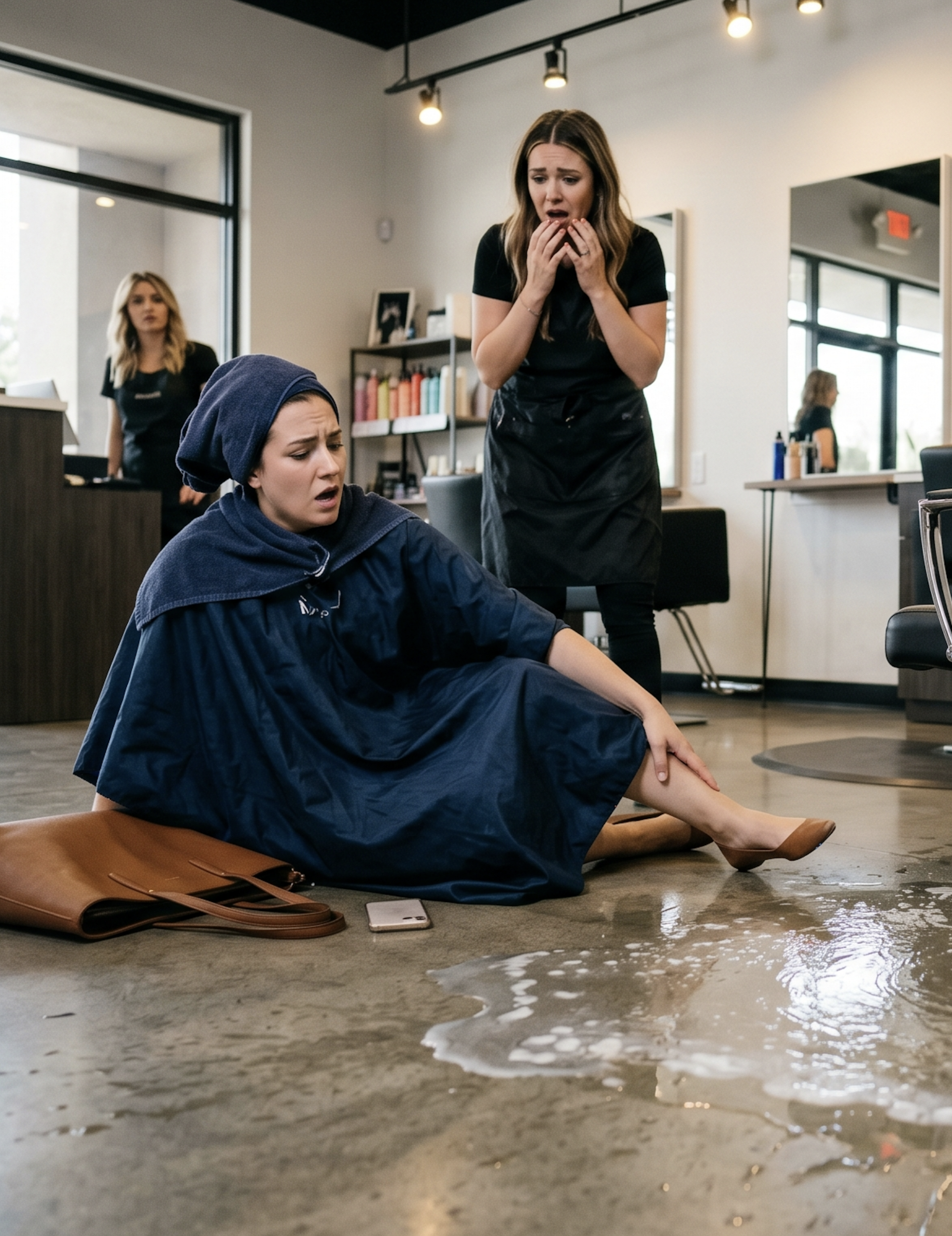
One of the most common legal claims salons face involves slip-and-fall accidents. A client walks from the front desk to the shampoo area, slips on water near the bowls and injures their back, hip or wrist. In the moment, everyone may think the client is okay. But days later, the salon receives a call from an attorney claiming medical bills, physical therapy costs, missed work and long-term pain.

What surprises many salon owners is that these cases can become extremely expensive, even when the injury initially seemed minor. A salon owner does not need to intentionally harm someone to face legal exposure. In many cases, the argument centers around whether the business maintained a reasonably safe environment.
Chemical Services Can Create Unexpected Liability
Chemical services are another major source of personal injury claims in the salon industry. Blonding services, relaxers, smoothing treatments and hair color applications all involve chemicals that can potentially cause burns, irritation or allergic reactions. A client may leave happy, only to later claim scalp blistering, hair loss, breakage or severe sensitivity. These cases can become especially emotional because hair is deeply connected to identity and self-confidence. Clients may not only seek compensation for physical damage, but also emotional distress or embarrassment.
Advertisement

And in today’s social media environment, complaints can spread publicly long before the salon even understands the full situation.
Hot Tools, Cuts & Everyday Accidents Can Become Legal Claims
Hot tools create risk inside salons every day. Flat irons, curling irons and blow dryers can accidentally burn a client’s scalp, neck, ears or face. Even small burns can become larger issues if scarring occurs or medical treatment is required. Likewise, cuts from shears, razors or extension tools may appear minor initially, but can quickly escalate if infection, scarring or allegations of improper sanitation enter the conversation.
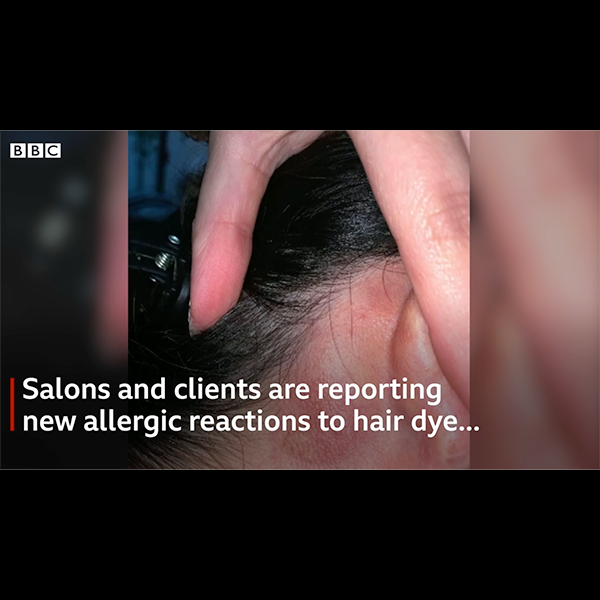
One of the scariest situations for salon owners involves allergic reactions. Hair color, lash adhesives, waxing products and skincare treatments can all trigger reactions in clients who may not even know they have sensitivities. In more serious situations, reactions can require emergency medical care.
This is why thorough consultations and patch testing protocols matter so much.
Advertisement

Sometimes The Lawsuit Isn’t Just About The Incident
Unfortunately, many lawsuits grow not only because of the original incident, but because of what happens afterward. A client who feels ignored, dismissed or poorly communicated with is often more likely to pursue legal action. In some cases, salon owners panic and admit fault too quickly. In others, there is no documentation, no consultation form and no record of what products were used during the appointment. This is where preparation becomes critical.
The Insurance Coverage Salon Owners Should Understand
Many salon owners carry general liability insurance, which may help cover accidents such as slip-and-fall injuries or bodily injury claims that happen on the property.
However, service-related claims often require professional liability insurance, sometimes referred to as malpractice insurance. This type of coverage may help protect salons if a client alleges negligence, chemical burns, hair damage or service mistakes.
Some salon owners also carry product liability insurance, especially if they retail products heavily, create custom formulations or operate private label lines. While insurance cannot prevent lawsuits, it may help protect salon owners from the devastating financial impact of legal defense costs, settlements or judgments.
Advertisement

Documentation Can Protect Your Business
Beyond insurance, one of the strongest forms of protection is documentation. If an incident occurs, salon owners should immediately document exactly what happened, including photos, service details, products used, timing and witness statements whenever possible.
Security footage should also be preserved if available. Consultation forms are equally important because they help establish that risks, allergies and service history were discussed before the appointment began. Without documentation, situations can quickly become one person’s word against another’s.
The Safest Salons Operate With Systems
The safest salons are rarely the salons that simply “hope nothing happens. They are the salons with proper insurance and systems. Owners who regularly inspect floors, monitor chemical storage, train staff properly and maintain detailed client records dramatically reduce their exposure to risk. And perhaps most importantly, they understand that professionalism behind the scenes matters just as much as artistry behind the chair.

Join BehindTheChair
Access the industry’s #1 source for hair trends, education and community now.