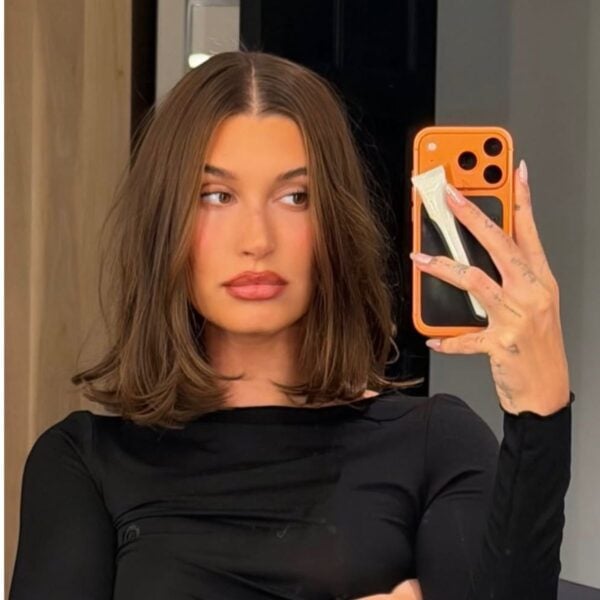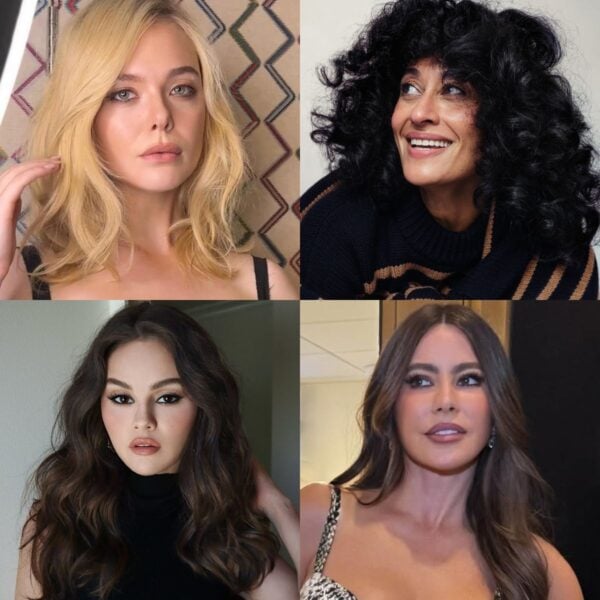
How to Cut a Bob For Thin Hair Without Losing Fullness
A bob can be one of the strongest haircut choices for thin hair, but only if the shape is built to support it. Over-layering, aggressive texturizing and removing weight too early can quickly weaken the perimeter, leaving the haircut looking flatter instead of fuller.
That’s why Kelly (@kellybeestyles), BTC Team Member and #ONESHOT finalist, always begins by establishing a strong perimeter before making any interior refinements. “That’s where the appearance of fullness comes from,” she says. “Fine hair needs enough space between the perimeter and where the layering begins to maintain density. I can always customize the haircut later, but once you’ve removed too much weight, you can’t put it back.”
Kelly’s perimeter-first technique is one of several strategies that help preserve fullness in thin hair. Keep reading for more expert tips on weight placement, elevation, texturizing and other cutting decisions that influence the finished shape.
Bob Cutting Principles for Thin Hair
- Establish a strong perimeter before customizing the shape
- Redistribute weight through the interior to preserve density
- Use graduation to build support within the haircut
- Let elevation and overdirection determine where weight is placed
- Reserve texturizing for targeted refinement after the shape is complete
- Keep perimeter lines clean to maximize the appearance of density
- Evaluate the finished shape before making interior refinements
- Treat the perimeter and interior as two distinct working zones
Build the Perimeter Before Customizing the Shape
Ashlee Norman (@ashleenormanhair), cutting expert, educator and House of Bumble Collective Member, approaches every bob as two distinct working zones:
- Perimeter: Establishes the visual density and silhouette.
- Interior: Controls movement and redistributes weight.
Use Elevation and Graduation to Control Weight
When cutting a bob for thin hair, elevation determines how much weight stays in the finished shape. Ashlee breaks it down simply:
- 0 degree elevation: Creates the strongest, heaviest perimeter.
- Below 90 degrees: Builds graduation and adds weight within the shape.
- Above 90 degrees: Creates layers, which remove weight.
“When I’m working with thin hair, I’m constantly asking whether each section is supporting density or taking it away. Sometimes removing less creates a haircut that actually looks fuller,” she says.
Advertisement

Want more inspo? Expand your short haircut menu with the biggest trends of 2026.
Keep Face-Framing From Weakening the Perimeter
Salon owner and Alfaparf Milano Professional Ambassador Sean Michael (@seanmichaelhair) often sees stylists remove too much weight around the face. “Once those front angles travel too deep into the haircut, the bob loses its strength and starts to take on a mullet-like appearance,” he says. “The front becomes wispy, the perimeter disappears and the entire haircut instantly looks thinner.”
Watch Sean customize a bob for a client with thin hair, preserving density through the perimeter while adding volume where the hair naturally sits flatter:
View this post on Instagram
Remove Weight With Intention
Not every area of the haircut should be treated the same. Before removing weight, identify whether the goal is to create movement, reduce bulk or refine the finished shape.

Ashlee considers what each texturizing stroke is meant to accomplish. “Texturizing should solve a problem, not become a default technique. Every stroke should have a purpose.”
Press play to watch how Ashlee creates texture while preserving the overall shape of this French bob:
View this post on Instagram
The French bob is all about precision. Learn the cutting terms and techniques that define the shape.
How To Customize Trending Bobs for Thin Hair
“I love trends, but I don’t believe every trend works the same way for every client,” Kelly says. “My goal is to keep the look of the trend while adjusting the technique to suit the client’s density so they leave with a haircut that looks full, flattering and realistic for their hair type.”
Advertisement

Current bob trends are a perfect example of why copying the original cutting technique isn’t always the best approach. “Right now, everyone’s bringing in photos of those big, voluminous ’90s layered bobs with tons of movement,” says Sean. “Thin hair simply doesn’t behave the same way, so I always tell my clients they’ll have their own version of that haircut—not an exact copy.”
Rather than recreating the haircut exactly, Sean modifies the technique to suit the client’s density by:
- Softening the interior layers to create movement
- Preserving the perimeter to maintain fullness
- Removing only the amount of weight needed to refine the shape without compromising density
Still deciding which bob to recommend? These haircut shapes instantly make fine hair look fuller.

Join BehindTheChair
Access the industry’s #1 source for hair trends, education and community now.