4 Men's Haircut Mistakes That Could Be Ruining Your Finished Shape
Ever finish a men’s haircut, step back and feel like the shape still isn’t quite right? Sometimes the issue isn’t your fade or your scissor work—it’s where you’re leaving weight, where you’re removing it or how you’re refining the finish. We asked four barber educators to break down the cutting decisions they rely on to create cleaner fades, better movement and stronger finished shapes. Read on for four common men’s haircut mistakes and the techniques they use to avoid them.
Mistake #1: Removing Length Instead of Weight
Strategic weight removal controls how the haircut moves, settles and holds its shape. Morgan Jones (@morganjonesbarbers), Wahl® Professional Artistic Team Member and men’s hair specialist, targets bulk only where it’s interrupting the hair’s natural movement. “A lot of people think movement comes from cutting hair shorter. In reality, movement usually comes from creating layers and reducing bulk so sections can separate and fall naturally.”
The key is knowing where to reduce bulk without compromising the haircut’s foundation. “For a flow cut, weight removal is usually focused on areas that interrupt the hair’s natural movement,” Morgan shares. “This allows the hair to separate, bend and fall naturally without becoming thin, flat or disconnected, while leaving enough support for the shape to hold.”
Advertisement

Tap through the images to see how the layers create movement and separation while the overall shape stays full and connected:
Press play to see how Morgan removes weight for this flow cut:
View this post on Instagram
Mistake #2: Failing To Create a Consistent Cutting Surface
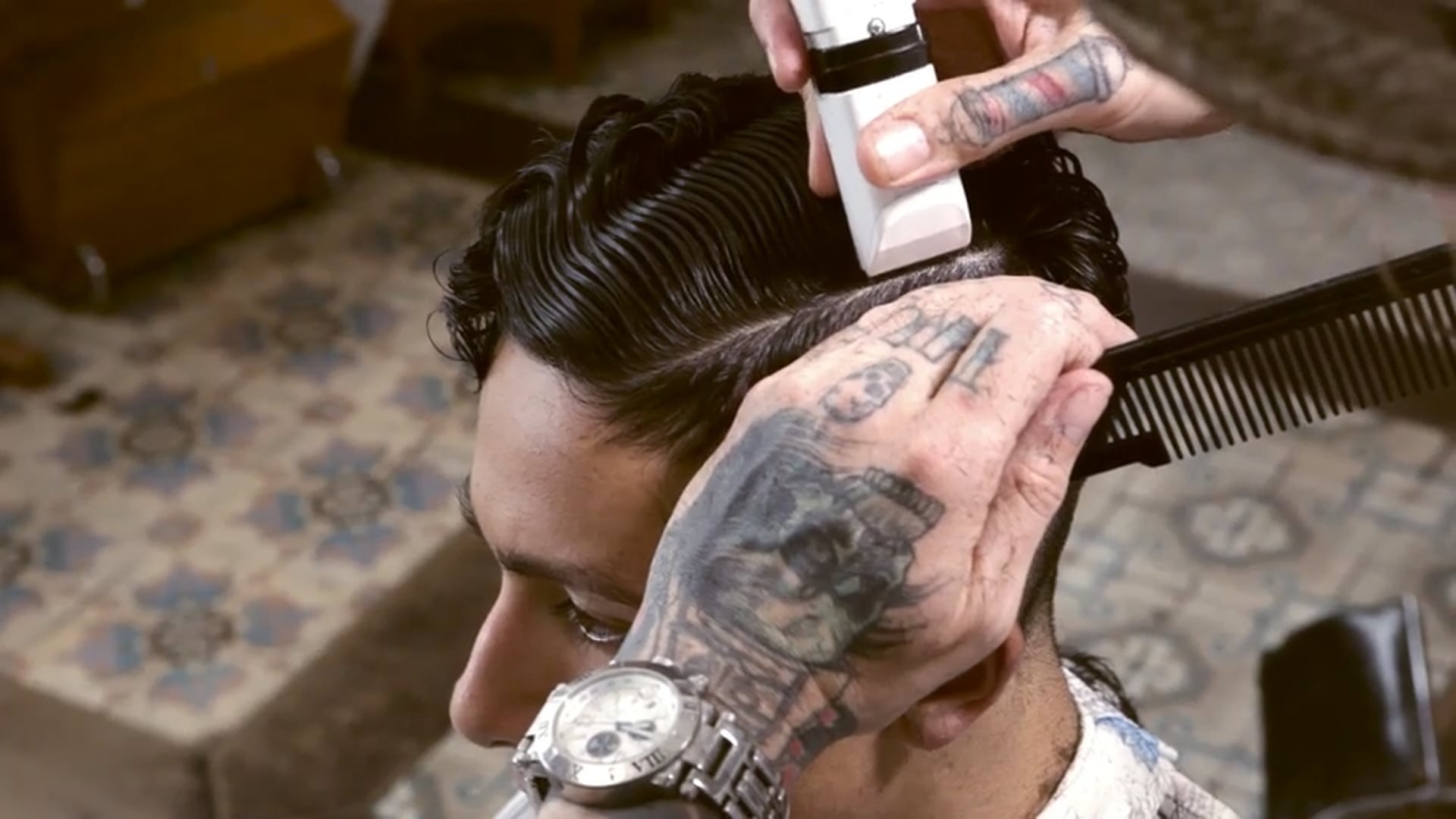
Creating a consistent cutting surface starts before the first clipper pass. BaBylissPRO® Educator and barbershop owner Gino Montalvo (@ginothebarber813) says, “I use light pressure with my clipper, so stretching the skin allows me to get smoother movements. You won’t deal with skin ripples or inconsistencies. This way you don’t irritate the skin either.”
Swipe through to see how Gino uses his support hand to create a more consistent cutting surface:
Mistake #3: Letting the Interior Overpower the Shape
Too much density through the crown and interior can cause a haircut to lose its shape as it settles. Redken Artist and short hair specialist Jeremy Tremblay (@jeremy_wilde) factors in growth patterns before deciding where to preserve density and where to remove it.
“I take weight out through the interior and crown so the shape isn’t fighting gravity and expanding through the day,” he says. “If someone has a strong cowlick or directional issue through the crown, I’m factoring that into where I build weight versus where I remove it.”
Advertisement

Swipe through to see how Jeremy’s sectioning changes where he builds and removes weight throughout the haircut:
Managing the interior allows the perimeter to hold its intended shape instead of carrying unnecessary weight. “The outside reads structured; the inside is managed. That’s where most stylists get into trouble. They build too much weight top-to-bottom, and the whole thing gets heavy and round,” he says.
Mistake #4: Over-Texturizing the Haircut
“The biggest mistake in weight removal is the idea to make every ‘imperfect’ hairstyle perfect,” says stylist and educator Ethan Quintela (@ethanquintela). “Shape is the foundation of haircutting, and many barbers either lack the technical precision to create the desired shape or they over-texturize, which ultimately destroys the foundation they just built.”
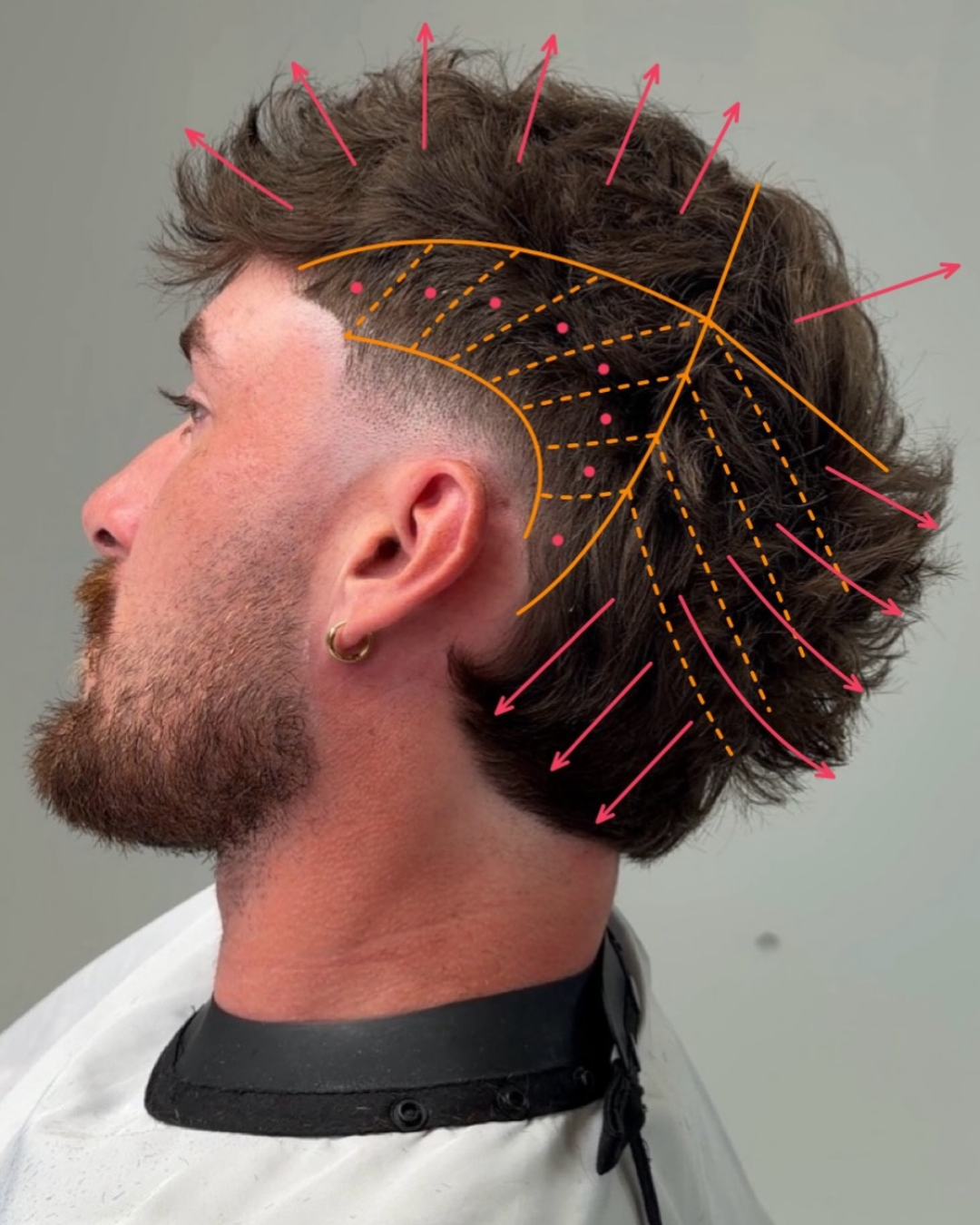
Once the shape is established, every additional texturizing pass should have a purpose. Knowing when to stop is just as important as knowing where to cut. “True mastery is having the creative vision to understand how much is enough. I believe sometimes less is often more,” he says. “Styles like the warrior cut thrive on a silhouette that feels chaotic and lived in. I think there is real beauty in that messiness.”
See Ethan’s cutting map for the warrior cut:

Join BehindTheChair
Access the industry’s #1 source for hair trends, education and community now.