Warrior Cut: Why Brad Pitt's "Fight Club" Haircut is Back
A Barber’s Guide to the Warrior Cut: Shape, Weight Distribution and Texture-Building Techniques
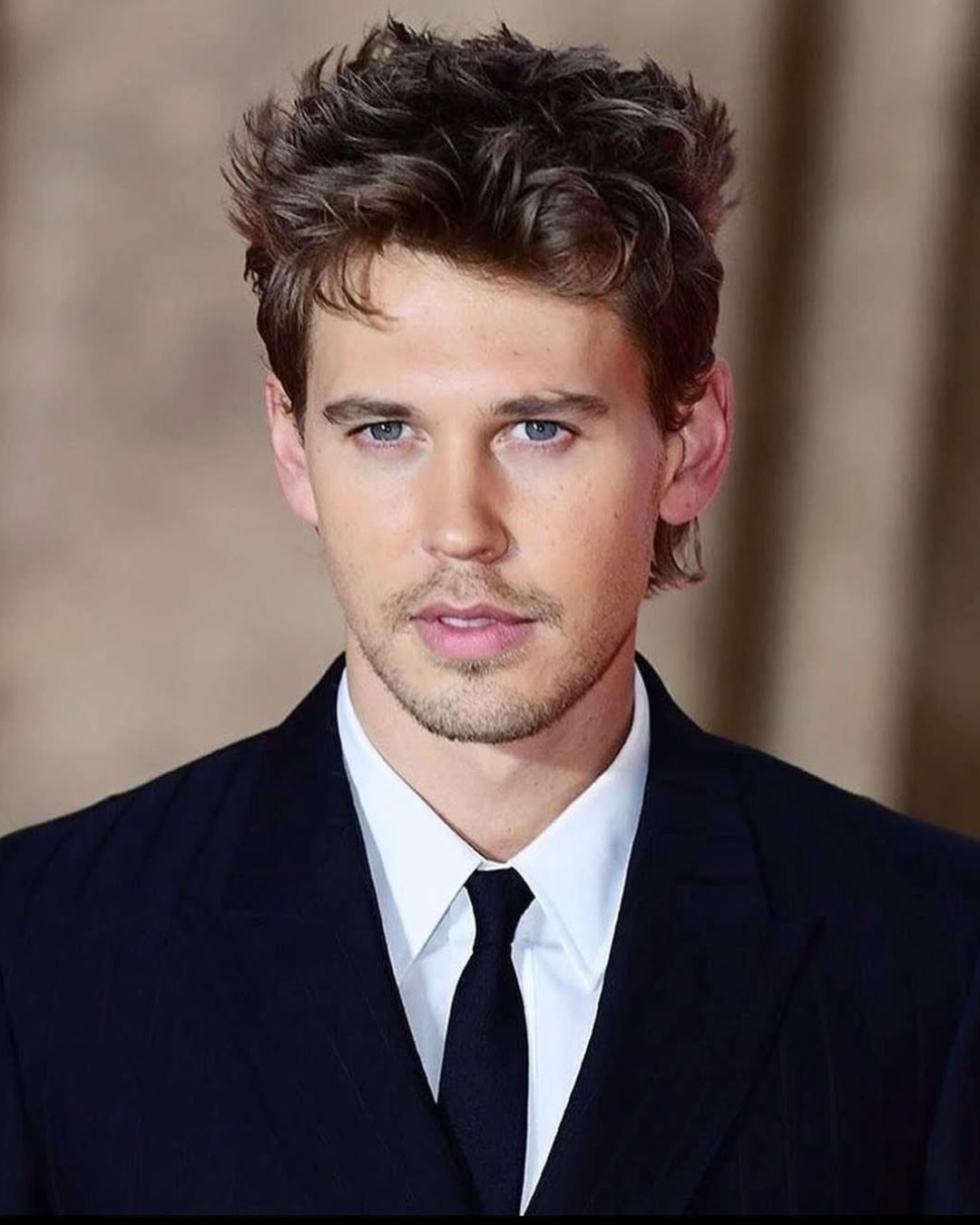
The warrior cut—a textured men’s haircut inspired by Brad Pitt’s iconic look in “Fight Club”—is gaining momentum in barbershops. Defined by movement, separation and a longer silhouette, the cut is part of a broader shift toward texture-driven men’s styles that prioritize personality and versatility.
View this post on Instagram

Mid-Length Layered Lob
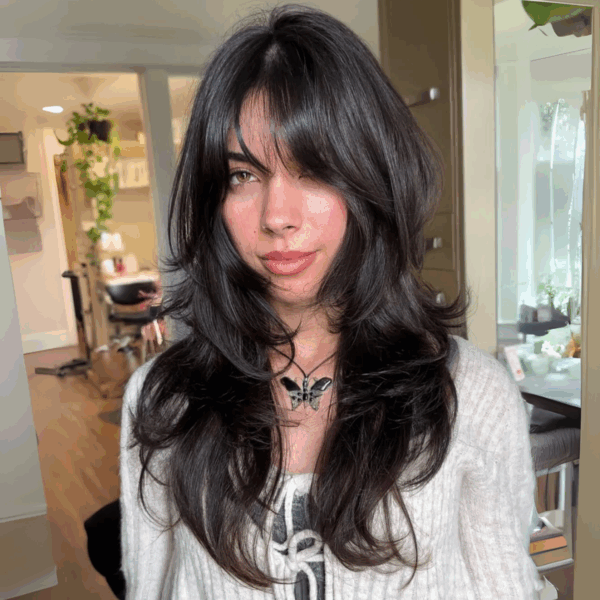
Perfect the mid-length layered lob. Learn round layers, point-cut perimeter work, and curtain bangs with over-direction—plus dry cutting for a natural, lived-in finish.
Trevor Moots (@tailorfade), Wahl® Professional Artist, #ONESHOT winner and expert barber, says it’s one of his most requested cuts right now. “Men are starting to gain confidence in longer hairstyles,” he shares.
Below, Trevor breaks down what defines the warrior cut, where weight should live and how to create the texture and movement clients are asking for.
This guide is part of The BTC Hair Trend Report, backed by our editors’ expert reporting, in-depth features, stylist interviews and trend data hairdressers can trust.
What Is the Warrior Cut?
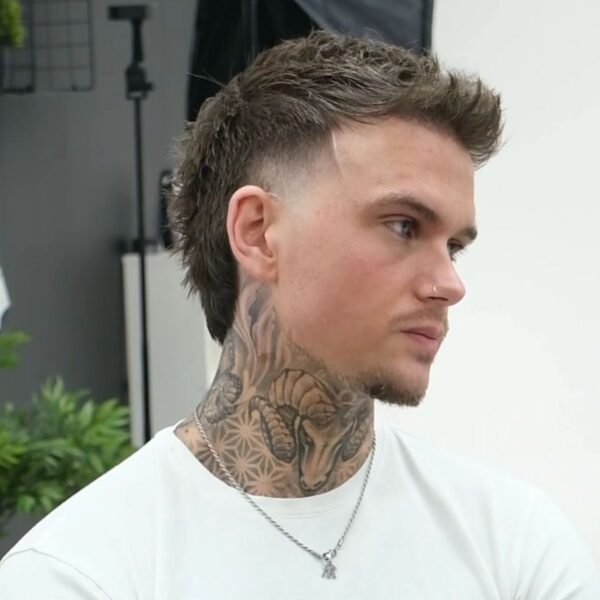
“The warrior cut is a fan favorite right now—this haircut is best described as a mullet with no fade and lots of texture,” Trevor explains. “Otherwise known as the Brad Pitt from ‘Fight Club’ haircut.”
The warrior cut is a textured, longer men’s haircut built on a mullet-inspired silhouette, retaining perimeter length and heavy internal texture. Rather than relying on a fade to create shape, it uses layering and texture to generate movement and separation throughout the haircut.
The defining characteristics include:
- Longer perimeter length through the nape and around the edges
- Heavy internal texture for movement and separation
- Short-to-long variation throughout the interior for a piecey finish
- Weight concentrated in the silhouette rather than removed through a fade
- A softer, more natural grow-out than heavily faded styles
How To Cut the Warrior Cut
The warrior cut’s signature shape comes from balancing retained length with strategic texture. Instead of removing weight through a fade, the focus is on preserving the perimeter while creating movement and separation throughout the interior of the haircut.
“When doing a warrior cut, you want to create a lot of internal texture, leaving the perimeters of the haircut long,” Trevor says. “This allows you to get the proper shape (mullet shape), and the internal texture gives it a ton of movement and disruption without sacrificing the length.”
Key Cutting Considerations
- Preserve length through the perimeter, especially around the nape and edges
- Create internal texture to encourage movement and separation
- Remove bulk from within the haircut rather than the outer silhouette
- Focus on controlled disruption without sacrificing length
As the warrior cut continues to evolve, barbers are putting their own spin on the trend. Below, Trevor demonstrates his version, using ARC™ Scissors Paragon II and a razor to create texture and movement while incorporating a higher fade. Press play to see his technique:
View this post on Instagram
The biggest mistake when creating texture and removing weight in a warrior cut? Trying to make it too perfect. Ethan Quintela (@ethanquintela), stylist and educator, says, “Styles like the warrior cut thrive on a silhouette that feels chaotic and lived in. I think there is real beauty in that messiness.”
Advertisement

While internal texture creates movement, Ethan says over-texturizing can compromise the haircut’s foundation. “Shape is the foundation of haircutting, and many barbers either lack the technical precision to create the desired shape or they over-texturize, which ultimately destroys the foundation they just built,” he says.
See Ethan’s cutting diagram below for a visual breakdown of his approach:

Andrew Zumbo (@themenscutter), American Crew® NYC Style Ambassador and men’s stylist, creates texture after cutting with American Crew Matte Clay. Press play to see his process:
View this post on Instagram
Warrior Cut vs. Modern Mullet
While the warrior cut and modern mullet can appear similar, the two shapes are defined by different approaches to weight distribution, tapering and perimeter length. According to Trevor, the distinction often comes down to how the perimeter is finished.
“The modern mullet is essentially going to be a warrior cut with a taper,” Trevor explains. “Now this isn’t secluded to one look. The taper can burst around the ear or simply live in the sideburn area.”
In contrast, the warrior cut relies on texture and retained perimeter length rather than tapering to create its shape.
Stylists Are Also Reading…

Join BehindTheChair
Access the industry’s #1 source for hair trends, education and community now.