The Bang Sectioning Mistake That Can Ruin a Shag
The fringe sets the foundation for the entire shag, which is why Rachel Williams (@rachelwstylist), Moroccanoil® Global Ambassador and ARC™ Scissors Artistic Team Member, never starts with the same bang section twice. Instead of relying on a standard triangle, she uses the client’s head shape to determine exactly where the fringe should begin.
Below, Rachel shares the sectioning technique she uses to avoid one of the most common bang placement mistakes and create more balanced, face-framing shags.
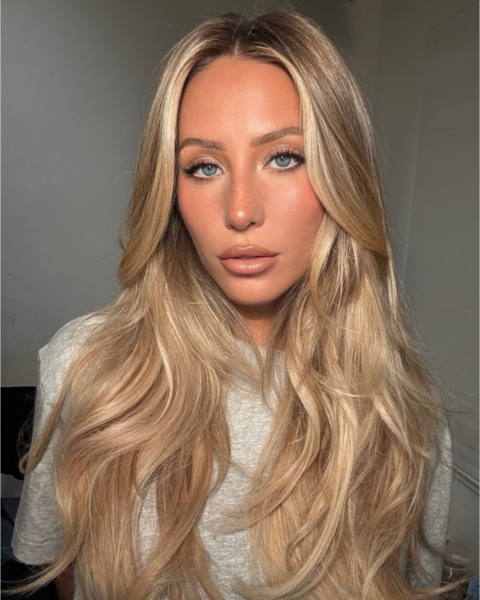
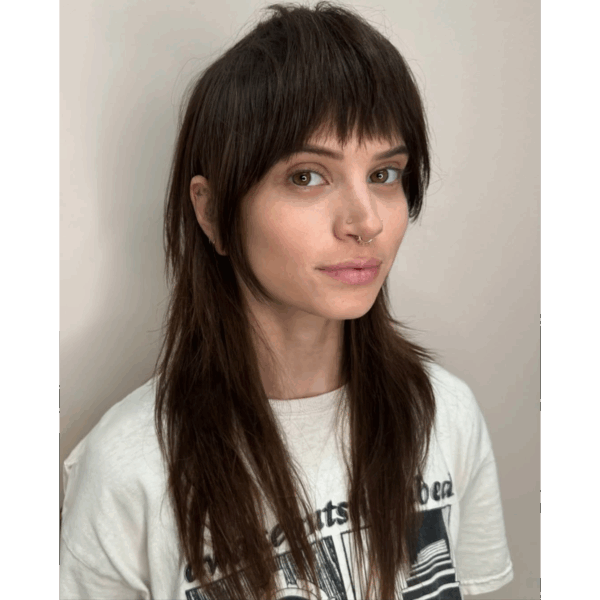
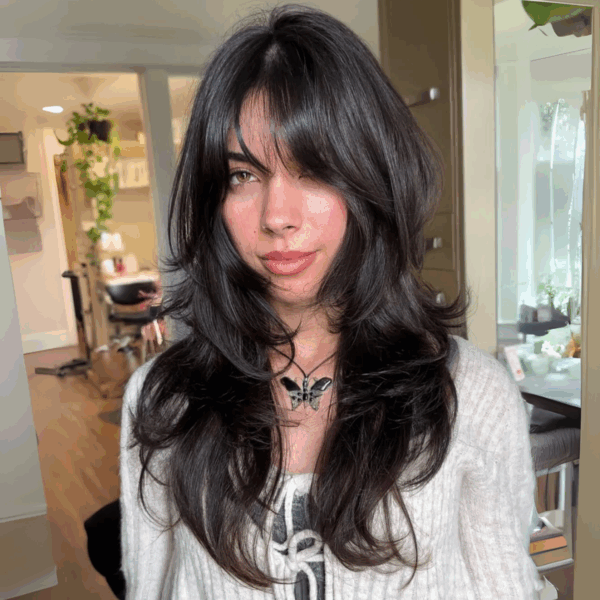
But first, tap through to see some of Rachel’s signature shag haircuts:
1. Let the Client’s Head Shape Guide the Bang Section
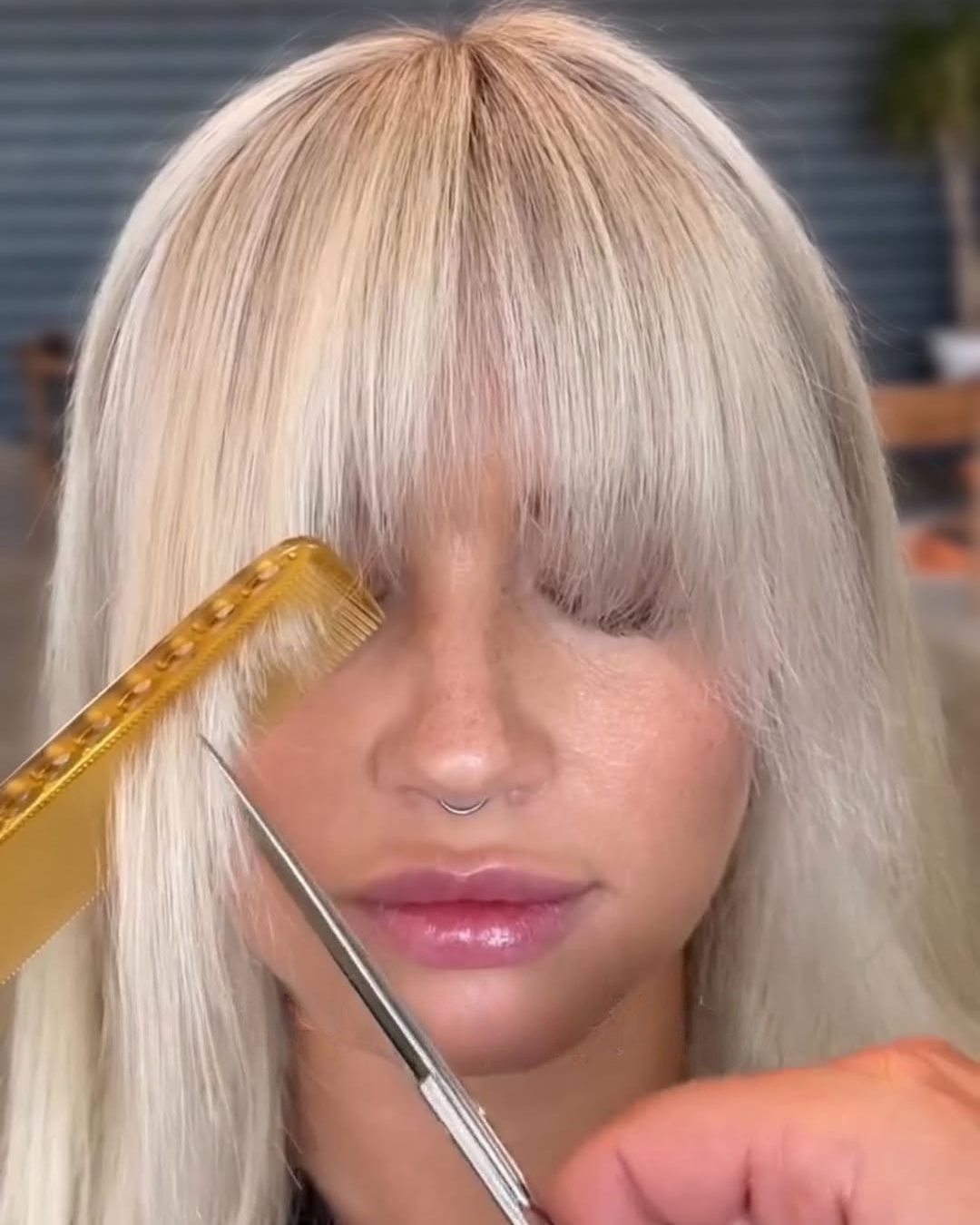
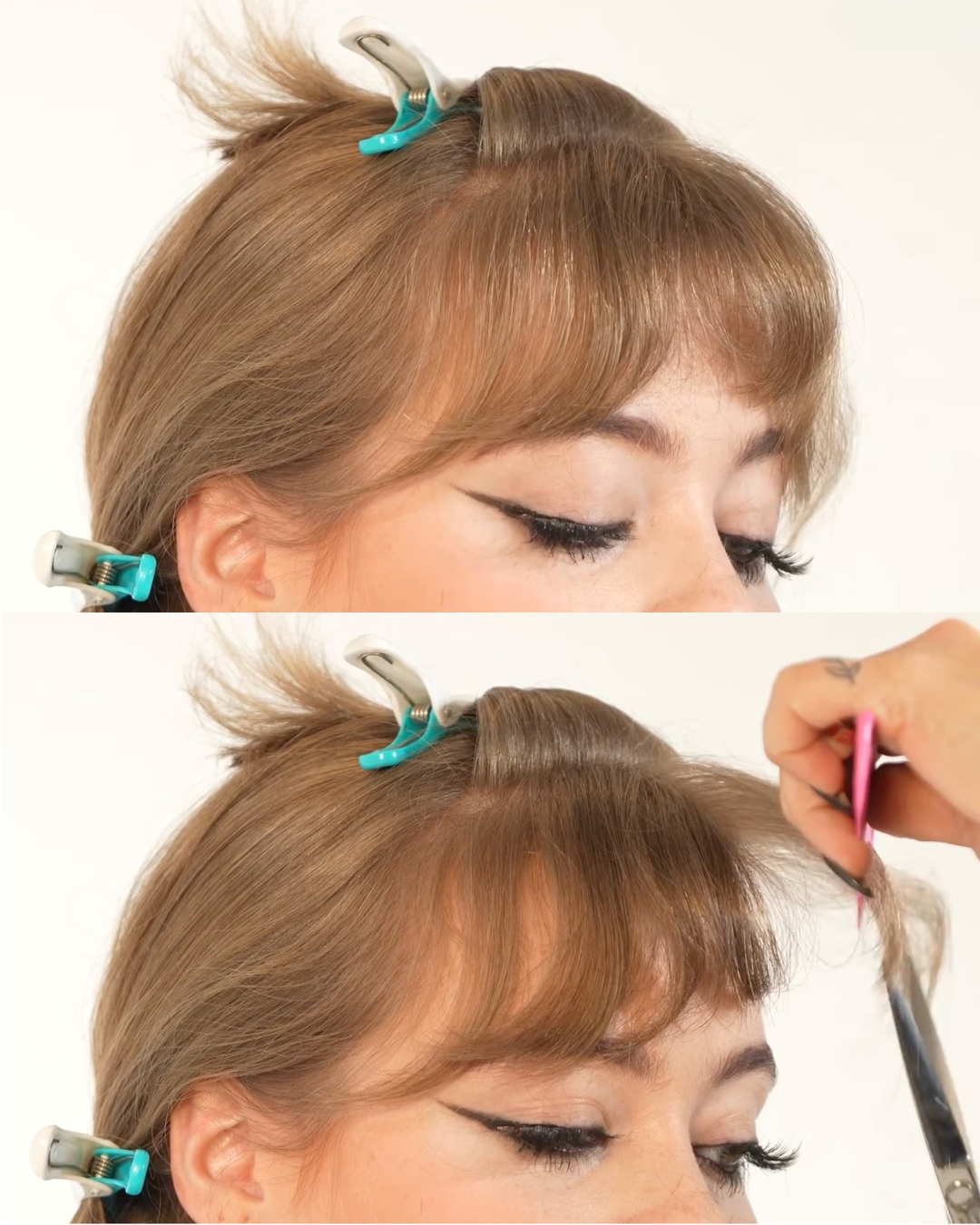
One of the most common questions Rachel gets is where the bang section should begin. To create a more customized fringe, she first evaluates the client’s forehead, facial proportions and head shape, then uses a simple comb technique to find the ideal starting point.
Advertisement

“An easy way to do that is to take your comb… follow the head shape with the comb, and then right where the comb starts to pivot is where we’re going to start the bang section.”
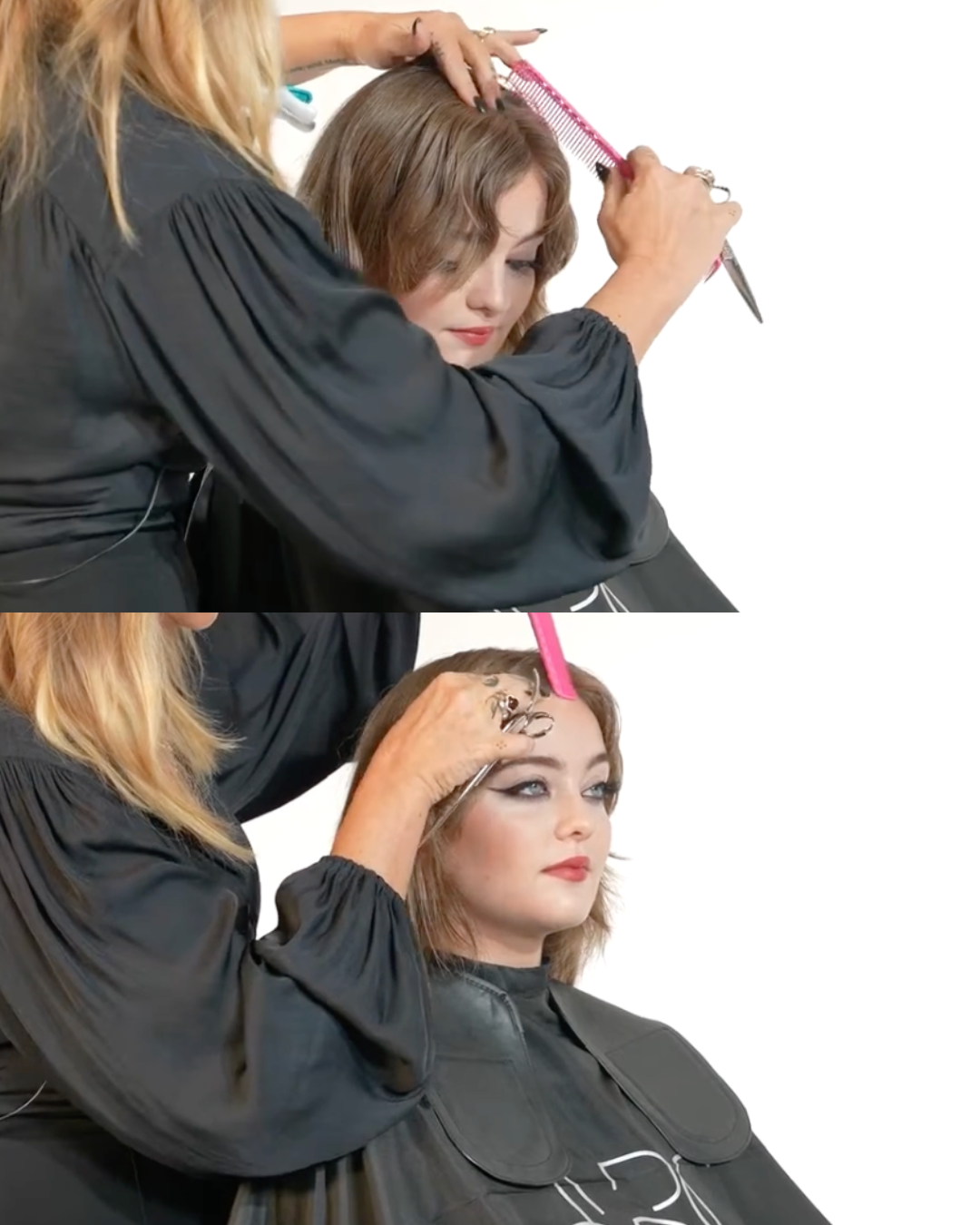
From the pivot point, Rachel creates a triangle section to the corners of the forehead. Building the section around the client’s proportions instead of using the same placement every time creates a more customized fringe and a stronger foundation for the rest of the haircut.
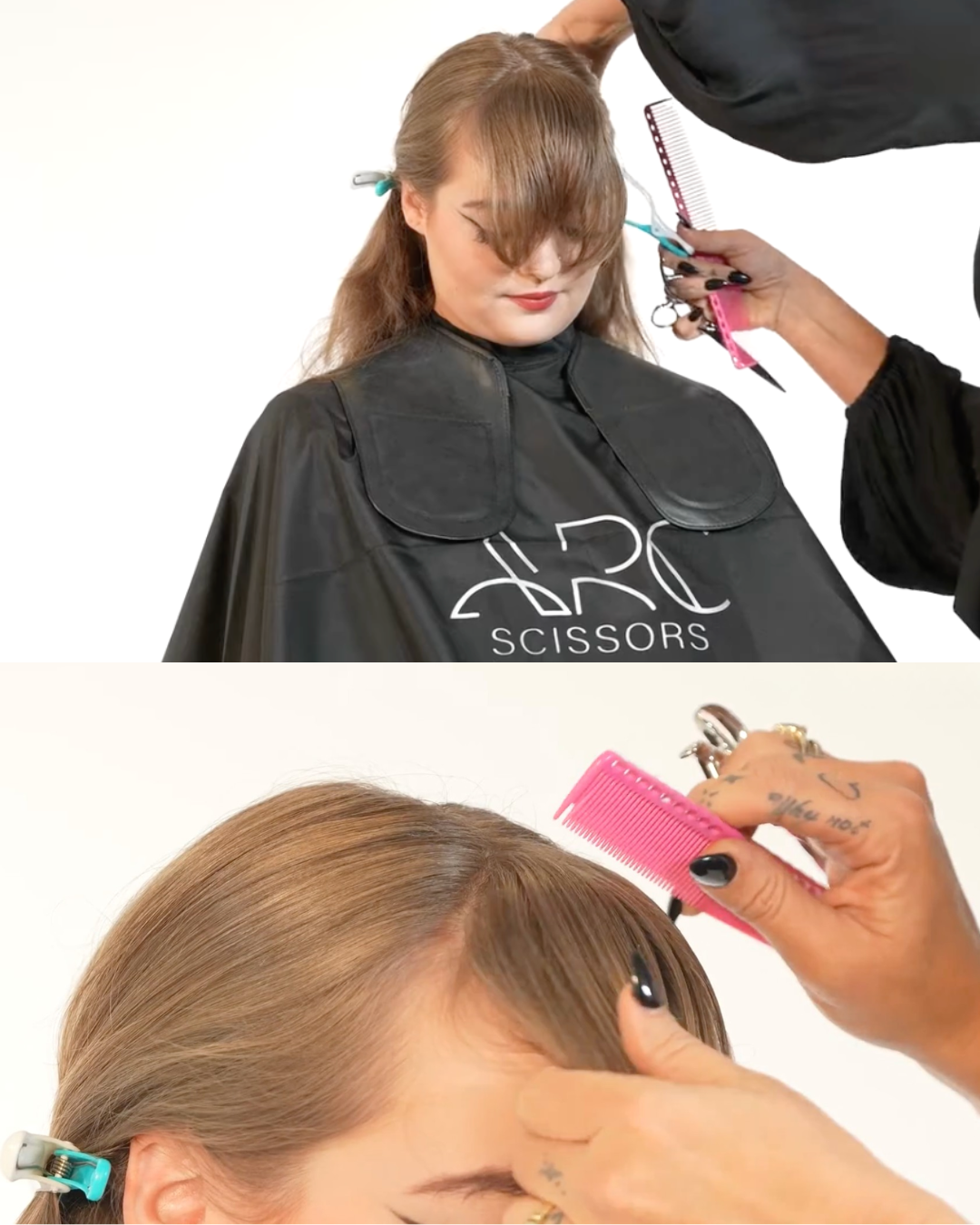
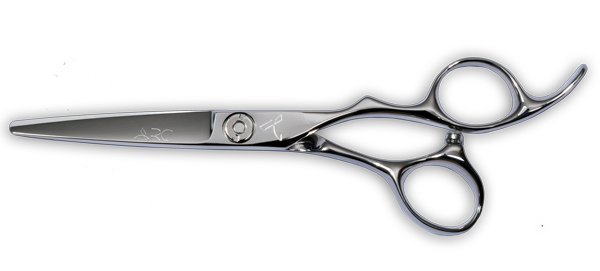
Rachel lightly dampens the fringe to keep hair out of the client’s face while preserving its natural fall. Throughout the haircut, she works with the ARC™ Scissors Phantom II 6-inch. “The reason why I really love these scissors is that they really can take me from a haircut from wet to dry.”
2. Use Minimal Tension for a More Natural Finish
During detailing, Rachel lets the hair fall naturally instead of stretching it with heavy tension. That allows her to see how the fringe will behave once the client leaves the salon and refine the shape accordingly.
Bombshell Long Layers
“I’m leaving the hair in its organic state because this is what her hair is going to do at home every day,” she says. “I want to work from that, so I’m not using a lot of tension.”
3. Keep the Weight While Creating Movement
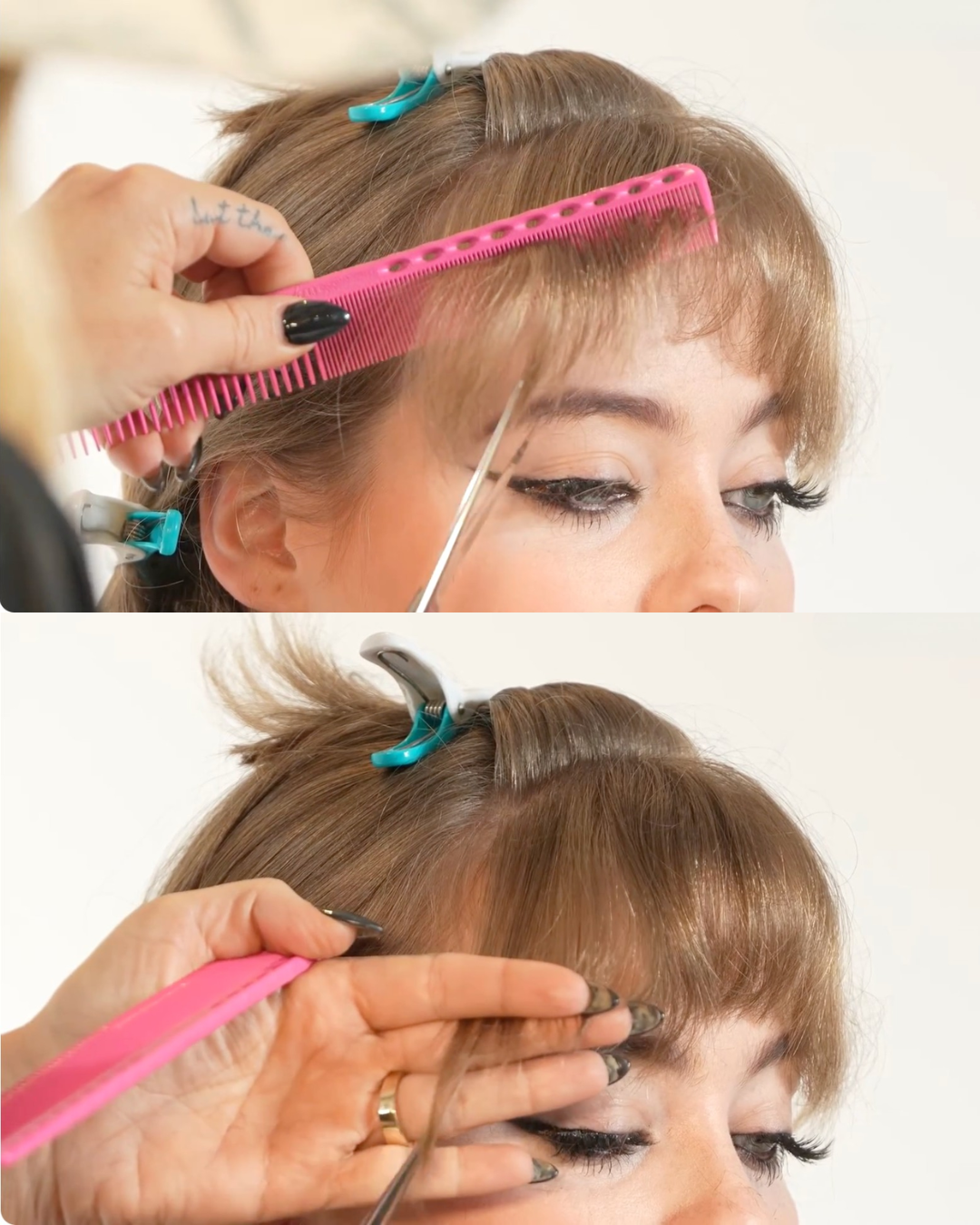
Rachel builds softness into the fringe without sacrificing density. Instead of removing weight early in the haircut, she preserves the shape of the bangs before refining the finish. “We’re going to really detail this bottom section and keep the weight of the bang,” she explains.
Here’s how she softens the shape while preserving the overall structure:
- Makes deep point cuts to build soft texture
- Angles her scissors toward the direction she wants the hair to fall, encouraging natural movement
- Twist-cuts select sections to add texture while maintaining the overall shape
These fringe techniques are just one part of Rachel’s Modern Day Shag course on BTC University. In the full class, she shares her complete approach to creating customized, modern shags, including:
- Cutting techniques for a soft, razor-like finish
- How to connect shag layers without creating unwanted weight
- Her signature Bardot bang technique
- Texturizing and weight removal techniques
- Styling tips for modern shags
- Common mistakes to avoid
Press play to watch the full class and see Rachel’s complete technique:


Join BehindTheChair
Access the industry’s #1 source for hair trends, education and community now.